











Unternehmen
27 April 2026
 17:50
17:50 A louvre window can bring fresh air and a classic look, but it can also create problems. Poor sealing, air leakage, weak insulation, and more moving parts may lead to higher energy costs and extra repair work. The solution is to understand the real pros and cons before choosing.
The main disadvantages of louvre windows are weaker sealing, lower energy efficiency, possible water leakage, more maintenance, and reduced security compared with some modern window types. However, modern jalousie windows and aluminium louvre windows can still be useful in warm climates, ventilation-focused buildings, and projects that need adjustable airflow.
What Is a Louvre Window or Jalousie Window?
What Are the Main Disadvantages of Louvre Windows?
Why Can Louvre Windows Have Poor Energy Efficiency?
Are Jalousie Windows Bad for Air Conditioning?
Do Louvre Windows Leak During Rain or Harsh Weather?
Are Louvre Windows Less Secure Than Other Window Types?
Do Louvre Windows Need More Repair and Maintenance?
What Are the Advantages of Jalousie Windows?
Are Aluminium Louvre Windows Better Than Older Designs?
Which Projects Should Still Use Louvre or Louvered Windows?
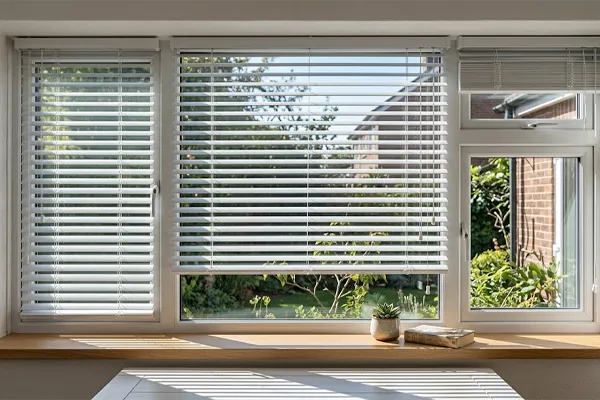
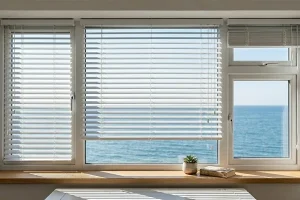
A louvre window, also called a louver window or jalousie window, is a window made of several horizontal slats. These slats may be made of glass, aluminium, wood, acrylic, or other material. They are usually connected to a frame and can open and close together by using a crank or side mechanism.
The basic idea is simple. When the slats open, air can pass through the window. When they close, the slats overlap to block rain, wind, and outside air. This design gives the user more control over ventilation, airflow, and natural light than many fixed window designs.
The history of jalousie windows is older than many people think. A louver-window patent by Joseph W. Walker was published in 1901, and the design was intended to control light and incoming air through adjustable louvers. Over time, jalousie and louvered windows became popular in warm regions, porches, sunrooms, coastal homes, and buildings that needed a high volume of fresh air.
For B2B buyers, this product is not only a window. It is also a hardware system. The frame, slat holder, crank, hinge, sealing materials, handle, operator, and fasteners all affect the final performance. As a China-based architectural hardware manufacturer, we often remind project buyers that the hardware quality matters as much as the glass or aluminium profile.
The biggest disadvantage of a louvre window is sealing. Because the window uses many separate slats, each slat creates a possible gap. If the slats do not press tightly against the seal, air and water may enter. This is one reason older jalousie window systems often perform worse than modern casement or fixed windows.
Another drawback is that louvered windows contain more moving parts. A simple fixed window has no crank, no operating arm, and no slat mechanism. A louver window has several parts that must work together. If the crank wears out, the slats may not close fully. If the side clips or holders loosen, the seal becomes weak.
The common drawbacks of jalousie windows include:
| Disadvantage | Warum es wichtig ist |
|---|---|
| Weak seal | More air leakage and possible water leakage |
| Poor insulation | Less comfort in hot or cold climate zones |
| More moving parts | Higher chance of wear and tear |
| Security concern | Slats may be easier to remove in older designs |
| Cleaning work | Each slat needs cleaning on both sides |
| Noise control | Gaps may allow more outdoor sound |
| Air conditioning loss | Cooled air may escape more easily |
These problems do not mean every louvre window is bad. They simply mean the buyer must match the window to the right application.
The main reason is air leakage. A jalousie window is built from many horizontal slats, not one sealed sash. Even when closed, small gaps may remain between the slats and frame. If outside air enters and indoor air escapes, the window becomes less energy-efficient.
The U.S. Department of Energy explains that reducing air leakage is a cost-effective way to cut heating and cooling costs, improve comfort, and support building durability.
This is why energy efficiency is one of the most important points in the advantages and disadvantages of louvre windows. In tropical climates, the benefit of fresh air may be more important than insulation. In colder regions or air-conditioned buildings, poor insulation and air leakage may become a serious issue.
For commercial projects, this can affect operating cost. Hotels, apartments, schools, and office buildings often use air conditioning for long hours. If the window design lets conditioned air leak out, the owner may face higher energy use over time.
A jalousie window can be inefficient in buildings that depend heavily on air conditioning. The reason is simple: cooled air can escape through small gaps around the slats. At the same time, hot outdoor air can enter. This makes the air conditioning system work harder.
This does not mean louvre windows should never be used with air conditioning. It means the buyer should check the frame design, sealing materials, slat overlap, glass options, and hardware accuracy. Modern jalousie windows with improved sealing can perform better than old models, but they still need careful specification.
Here is a simple selection guide:
| Building Situation | Louvre Window Suitability |
|---|---|
| Naturally ventilated home | Good option |
| Tropical resort or balcony | Good option |
| Air-conditioned office | Use carefully |
| Cold climate house | Usually not ideal |
| High-security project | Needs stronger hardware |
| Coastal building | Use corrosion-resistant materials |
| Bathroom or utility area | Often suitable |
| Energy-focused building | Compare with other window types |
A louvre window can still work well when fresh air matters more than airtight sealing. But when the goal is maximum insulation properties, other window types may be better.
Louvre windows may leak if they are poorly designed, poorly installed, or used in the wrong climate. Since the window is made from overlapping slats, wind-driven rain can sometimes push water through the gaps. This risk becomes higher during storms or harsh weather conditions.
The slat angle is very important. If the horizontal slats do not close at the correct angle, water can enter. If the sealant, side frame, or bottom drainage design is weak, leakage becomes more likely. Good louvre systems need accurate slat spacing, strong frame connection, and suitable sealing materials.
For project buyers, installation is just as important as the product. Even a good aluminium louvre window can fail if the frame is not square, the wall opening is not prepared correctly, or the drainage path is blocked. In B2B projects, we suggest checking:
This is especially important for coastal hotels, high-rise apartments, villas, and public buildings.
Older jalousie windows may have a security issue because some glass slats can be removed from outside. This is one reason many homeowners replaced old jalousie windows with more secure window styles. The concern is stronger when the window is on the ground floor or in a hidden area.
Security depends on the design. A basic old-style glass louver may not be enough for modern buildings that prioritize safety. But better frames, stronger clips, locking systems, aluminium profiles, and stainless steel components can improve security.
For B2B architectural hardware buyers, this is where hardware quality becomes critical. A secure system needs more than attractive glass. It needs durable materials, stable operators, firm slat holders, reliable locking points, and corrosion-resistant fasteners.
Yes, they can. A louver window usually has more moving parts than fixed, sliding, or simple hinged windows. The crank, operator arm, slat clips, side channels, screws, and frame parts may all experience wear and tear after repeated operation.
If the mechanism that controls the slats becomes loose, the slats may not close tightly. This can cause air leakage, water leakage, rattling, and poor sealing. If the window is installed near the sea, low-grade metal parts may rust faster. That is why aluminium and stainless steel hardware are often preferred for better durability.
Basic maintenance may include:
For a single homeowner, this may be simple. For a hotel, school, apartment project, or large residential community, frequent repairs can become a real cost. This is why project buyers should choose reliable hardware from the start.
To be fair, the advantages of jalousie windows are still strong in the right application. The most obvious advantage is excellent ventilation. Because the slats open across most of the window area, they allow maximum airflow compared with some other window styles.
Another advantage is light control. The adjustable slat angle can reduce glare while still allowing air entering the room. In some cases, a louvre window works like a window and a blind at the same time. It can offer privacy, airflow, and light control in one system.
Louvre windows also have strong aesthetic appeal. They suit tropical homes, resorts, balconies, bathrooms, garden rooms, and renovation projects where the owner wants a light, open, and relaxed look. For some architects, the visual rhythm of horizontal slats is part of the design value.
In warm and humid regions, windows offer more than a view. They help the building breathe. That is why jalousie windows remain useful for projects where ventilation is more important than full airtight performance.
In many cases, yes. Aluminium louvre windows are usually stronger, cleaner, and more suitable for modern construction than old wood or low-grade metal designs. Aluminium is light, corrosion-resistant when treated correctly, and suitable for large-scale production.
Modern aluminium louvre windows can also support better hardware, improved sealing, powder-coated finishes, and different glass options. This improves both functionality and appearance. Compared with older jalousie systems, modern systems may have better durability and more stable operation.
However, aluminium alone does not solve every problem. The design still needs good sealing, accurate manufacturing, reliable operators, and careful installation. A poor aluminium louvre system may still leak air, leak water, or become difficult to operate.
For global importers, distributors, building material suppliers, door and window manufacturers, and project contractors, the key is not just choosing aluminium. The key is choosing a complete window hardware solution that matches the project climate, safety level, finish requirement, and budget.
Louvre windows are still a good fit for many projects. They are especially useful where the main goal is airflow, not maximum insulation. This includes tropical houses, resort villas, bathrooms, utility rooms, balconies, stairwells, garden rooms, and semi-outdoor spaces.
They can also work well in renovation projects where the original style should be preserved. For example, some mid-century houses or tropical-style buildings use louvered windows as part of their identity. Replacing them with heavy modern windows may change the whole look.
Good applications include:
Tropical residential buildings
Coastal villas
Resorts and hotels
Bathroom windows
Utility room windows
Stairwell ventilation
Balcony enclosures
Sunrooms and garden rooms
Ventilated public spaces
Renovation of classic window designs
Poor applications may include:
Cold climate buildings
High-performance energy homes
High-security ground-floor spaces
Areas exposed to strong storm rain
Buildings with strict acoustic control
Fully air-conditioned commercial interiors
A hotel contractor needed a window solution for bathroom and balcony areas in a coastal resort. The project required natural airflow, corrosion resistance, and a clean modern appearance. The buyer first considered standard glass jalousie windows, but they were worried about rust, water leakage, and long-term repair.
After reviewing the project, the better option was a custom aluminium louvre window system with stainless steel hardware, treated aluminium profiles, stronger slat holders, and improved sealing. The goal was not to make the window perform like a fixed insulated window. The goal was to provide reliable airflow, good appearance, and better durability in a humid environment.
This is a typical B2B decision. The customer does not only buy a window. The customer buys a working system. The frame, crank, hinge, slat, sealing strip, screw, and surface finish all affect performance.
For importers, distributors, architectural hardware brands, and project buyers, this type of product planning can reduce risk before mass production.
What is the biggest disadvantage of a louvre window?
The biggest disadvantage is weak sealing. Because a louvre window uses several slats, small gaps may allow air to leak in or out. This can reduce comfort and energy efficiency, especially in air-conditioned or cold-climate buildings.
Are jalousie windows good for ventilation?
Yes. A jalousie window is very good for ventilation. The slats can open across much of the window area, allowing fresh air to enter. This is one of the main reasons jalousie windows are still used in tropical climates and semi-open spaces.
Are louvered windows energy-efficient?
They are usually less energy-efficient than fixed, casement, or well-sealed modern window designs. The main issue is air leakage between slats. If the project needs strong insulation and low energy use, buyers should compare louvered windows with other window types.
Can aluminium louvre windows solve the old problems?
Aluminium louvre windows can improve durability, appearance, and corrosion resistance. With better sealing materials and stronger hardware, they can also perform better than old jalousie windows. But they still need proper design and installation.
Do louvre windows leak water?
They can leak if the slat angle, frame, drainage, sealant, or installation is poor. In areas with strong wind and rain, buyers should choose a tested system with good sealing and drainage details.
Are louvre windows safe?
Older jalousie windows may have weaker security because the slats can sometimes be removed. Modern systems can improve safety with stronger frames, better clips, locks, and durable hardware. For ground-floor or public buildings, security should be checked carefully.
Louvre windows are excellent for airflow, but weaker in sealing.
The main disadvantages are air leakage, poor insulation, possible water leakage, security concerns, and more maintenance.
Jalousie windows are better for warm climates, tropical buildings, bathrooms, balconies, and ventilation-focused areas.
They are not always ideal for cold climates, high-security spaces, or fully air-conditioned buildings.
Modern aluminium louvre windows can improve durability, appearance, and corrosion resistance.
Hardware quality is critical because the crank, hinge, slat holder, seal, and frame affect long-term performance.
For B2B projects, the best choice depends on climate, building use, safety needs, energy goals, and installation quality.
A louvre window is not simply good or bad. It is a strong solution when used in the right application.
Wir werden Ihnen innerhalb von 24 Stunden antworten. Wenn für dringenden Fall, fügen Sie bitte WhatsApp/WeChat: +86 137 9191 8989, oder rufen Sie direkt +86 137 9191 8989 an.
*Wir respektieren Ihre Vertraulichkeit und alle Informationen sind geschützt.
Wir verwenden Ihre Daten nur zur Beantwortung Ihrer Anfrage und senden Ihnen niemals unaufgefordert E-Mails oder Werbenachrichten.