


Company
06 November 2026
 11:01
Allen Wang | CEO and Founder, HIPAD
Updated: November 6, 2026
A glass door knob is approved by the relationship between the knob, glass preparation and fixing hardware. HIPAD’s supplied Glass Door Knob reference uses the published handle-family table: configurations include SUS304/SUS201 glass-door hardware for 8-12 mm glass and several related handle applications. Treat that as a sourcing reference, not a knob-specific structural rating; confirm the exact hole, fixing and finish with a sample.

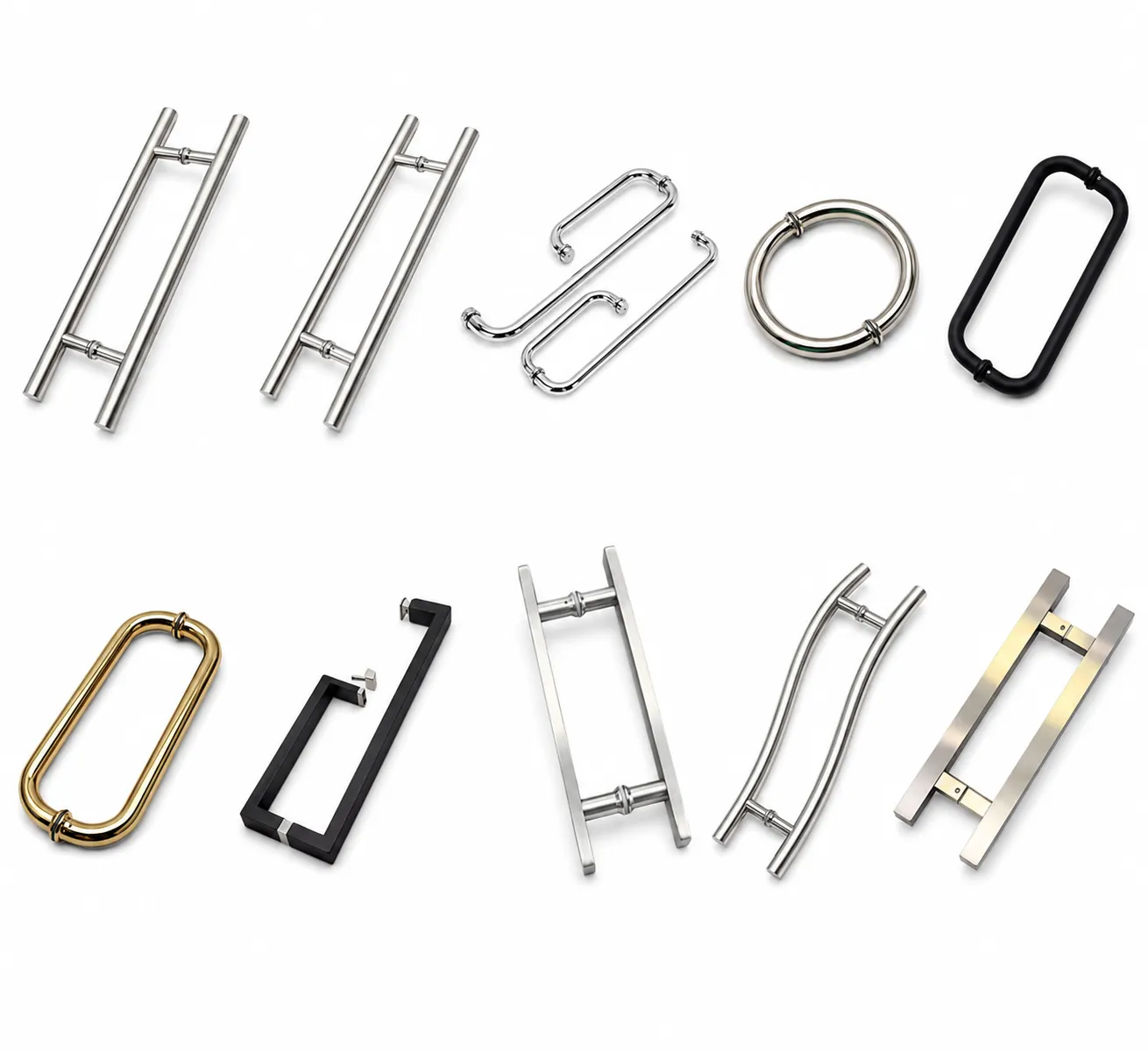
The supplied reference groups several applications. The dimensions below are family references and should not be copied into a purchase order without the exact model drawing.
| Application reference | Published material or configuration | Published thickness / length reference | What a knob buyer must verify |
|---|---|---|---|
| Glass-door pull handles | SUS304/SUS201 | 8-12 mm glass; 300-1200 mm lengths | Knob diameter, base, gasket and hole arrangement |
| Bathroom lever handles | Handle-family reference | 30-50 mm doors | Whether the model is intended for a glass knob application |
| Sliding back-to-back handles | Paired handle configuration | 10-40 mm doors; 200-800 mm lengths | Glass thickness, through-fixing and paired alignment |
| Commercial heavy-duty pulls | Handle-family reference | 35-70 mm doors; 600-1500 mm lengths | Do not transfer door-pull dimensions to a knob without evidence |
The source does not publish a universal knob load rating, certificate number or price range. Compared with selecting a retail knob by appearance, a B2B buyer needs the glass schedule, fixing drawing and sample-fit record. The Glass Door Knob range should be read with the glass-door handle supplier guide.
Send the supplier the actual glass thickness, type, edge treatment, hole diameter, hole-to-edge distance and hole-to-hole spacing if two fixings are used. Tempered glass cannot be drilled after tempering, so the approved hardware drawing must precede fabrication. A knob that fits 10 mm glass may require different sleeves or gaskets on 8 or 12 mm glass.
For replacement work, measure the existing hole and record the removed knob’s base, spindle, screw length and washer arrangement. Do not assume a similar-looking knob will cover an old hole or provide the same glass clearance. Include the surrounding frame and seal details when they affect hand clearance.
Ask for a section drawing that identifies the knob body, base, gaskets, sleeves, screws and any through-bolt. Confirm which parts contact the glass and how tightening is controlled. Excessive clamp force can damage glass, while insufficient retention can allow movement. The exact installation method belongs in the supplier’s model instructions, not in an assumed generic detail.
Check whether the knob is single-sided, back-to-back or paired with another handle. Paired hardware adds alignment and through-glass preparation questions. The glass-door handle guide covers related paired-hardware considerations; it should not be treated as a knob-specific rating.
The source lists SUS304/SUS201 within the glass-door handle-family reference. Request the exact grade for the offered knob and identify the base, fastener and washer materials separately. In bathrooms or coastal locations, define cleaning chemicals, moisture exposure and finish expectations. A material label alone does not establish corrosion performance for every component.
Ask for a finish sample and compare the visible knob, base and fixing covers under project lighting. Small differences in polish or color are more noticeable when a series of knobs is installed on adjacent glass leaves. Compare related stainless-steel handle finishes as part of the visible hardware schedule. Product-level certification is not disclosed in the supplied material; request model-specific documents if the project requires them.
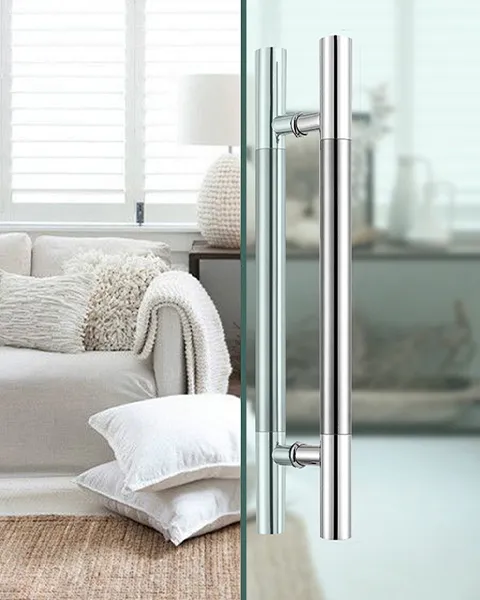
HIPAD describes OEM/ODM support for drawings, finishes, structure, branding and packaging. Ask which changes require a new sample or tooling. The supplied source does not provide a universal knob price or structural rating; request a quotation and evidence for the exact model and quantity.
No. The family reference gives a thickness range, but the exact knob, gasket and fixing arrangement must be checked against the glass and hole preparation.
Plan holes before tempering and confirm the approved drawing with the glass processor. Do not assume post-tempering drilling is possible.
Material choice depends on the model and environment. Request the exact grade and component materials for the project exposure.
Send the existing knob, glass thickness, hole dimensions, base size, fixing arrangement, finish and photographs of the door edge and surrounding hardware.
For an OEM sample or quotation, contact HIPAD with the glass schedule and hole drawing. The commercial pull-handle guide can help coordinate adjacent hardware, but the knob still needs its own interface approval.
About the author: Allen Wang is CEO and Founder of HIPAD. His supplied background describes manufacturing experience beginning in Qingdao bearing production in 1998 and work with international architectural-hardware buyers. This guide uses HIPAD’s Glass Door Knob and handle-family references; model-level performance claims require separate evidence.
We will reply within 24 hours. For urgent requests, contact us on WhatsApp/WeChat at +86 137 9191 8989 or call the same number directly.
*We respect your confidentiality, and all information is protected.
We will only use your information to respond to your inquiry and will never send unsolicited emails or promotional messages.
