













Unternehmen
17 October 2026
 10:10
10:10 Allen Wang | CEO and Founder, HIPAD
Updated: September 13, 2026
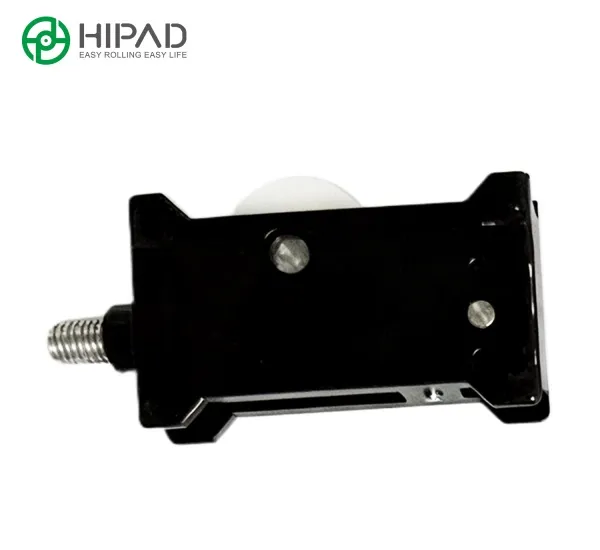
A sliding door roller assembly combines the wheel, bearing, bracket, shaft and track interface. B2B buyers should approve these parts as one working system, because a correct wheel diameter alone cannot confirm load, alignment, running force or retention.
| Selection point | Published HIPAD options | Buyer confirmation |
|---|---|---|
| Wheel | Nylon, POM, PU or steel | Profile, diameter, track contact and finished door load |
| Lager | Standard, ball or custom bearing arrangements | Bore, outside diameter, width, retention and environment |
| Bracket | Fixed or adjustable structures | Profile clearance, fixing points and adjustment travel |
| Mounting | Compact roller components and project-specific layouts | Top, bottom, side or embedded orientation |
| Fertig | Multiple finishes and metal options | Visible reference, substrate and exposure requirement |
The source library describes Sliding Door Roller Assemblies with nylon, POM, PU, steel, plastic or metal components, plus standard, ball or custom bearings and custom diameters and finishes. These are family-level options; the exact combination still requires a drawing and sample approval.
Send the supplier the track section, door profile, leaf width and height, panel or glass build-up, finished weight, opening frequency and available adjustment space. The same wheel material can behave differently when the track contact, bearing fit or bracket center changes.
Compared with generic replacement listings, a project assembly needs a controlled wheel profile, bearing seat, shaft or rivet, bracket and guide. A nominally compatible replacement may create excess starting force, noise, skew or premature wear.
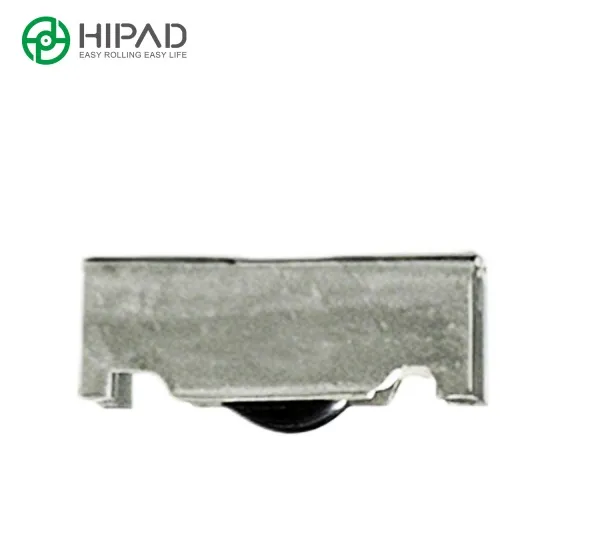
A wheel can rotate freely on a bench and still bind after assembly. Press-fit clearance, bracket distortion, track tolerance and guide alignment all affect the installed result. An adjustable bracket may help alignment, but it cannot compensate for an incorrect track section or underspecified bearing seat.
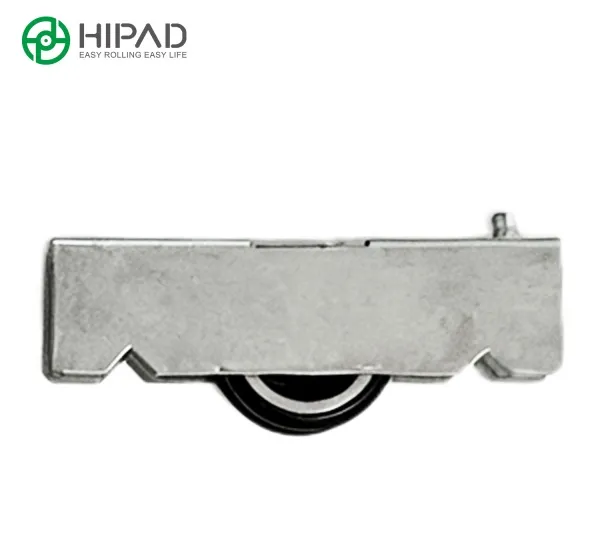
HIPAD publishes nylon, POM, PU and steel wheel options with carbon-steel or stainless-steel bracket choices in its roller range. The supplied product reference does not disclose a universal load rating, product certificate number, price or MOQ. Request model-specific load, cycle, material, finish, packaging and inspection evidence in the quotation.
ISO 9001:2015 describes quality-management-system requirements; it does not certify the performance of an individual roller assembly. Product acceptance should rely on the approved specification and model-specific test evidence.
No. Diameter must be checked with wheel profile, bearing, bracket center, track section, load and adjustment space.
Not automatically. Confirm profile clearance, fixing points and adjustment travel on the drawing and sample.
The published family includes nylon, POM, PU and steel wheels, with standard, ball or custom bearing arrangements and multiple bracket options.
Provide the profile drawing, finished door weight, track, wheel and bearing dimensions, bracket, finish, quantity, packaging and inspection criteria. Price and MOQ require a project quotation.
Include the track profile, door dimensions and weight, wheel material and profile, bearing, bracket, mounting orientation, environment, quantity and test criteria. Compare the door roller hardware specification guide, die nylon roller wheel checklist, die miniature bearing buyer guide, die sliding door roller assemblies range und contact HIPAD for model-specific confirmation.
Allen Wang is CEO and Founder of HIPAD. He began as a technical engineer in 1998 and focuses on manufacturing, tooling, quality, OEM/ODM development and architectural hardware supply.
Wir antworten innerhalb von 24 Stunden. Bei dringenden Anfragen erreichen Sie uns über WhatsApp/WeChat unter +86 137 9191 8989 oder telefonisch unter derselben Nummer.
*Wir behandeln Ihre Angaben vertraulich und schützen sämtliche Informationen.
Wir verwenden Ihre Angaben ausschließlich zur Beantwortung Ihrer Anfrage und versenden niemals unaufgeforderte E-Mails oder Werbenachrichten.