













Entreprise
16 October 2026
 18:01
18:01 Un système de porte de mauvaise qualité ne se contente pas de faire du bruit. Il gaspille de l'espace, endommage le mur et est une source de frustration quotidienne pour les utilisateurs. Une quincaillerie de porte coulissante adaptée résout ces problèmes grâce à un coulissement stable, un mouvement fluide et des éléments de quincaillerie en harmonie avec le projet.
Une quincaillerie de porte coulissante désigne l'ensemble des pièces qui permettent à une porte coulissante de s'ouvrir et de se fermer en toute sécurité, sans bruit et en douceur. Elle comprend généralement le rail, les roulettes, les butées, les guides, les supports, les poignées de porte et, en option, les éléments de verrouillage. Une quincaillerie de qualité doit être adaptée au poids de la porte, à son matériau, aux dimensions de l'ouverture et à son utilisation quotidienne.
Pourquoi les ferrures pour portes coulissantes sont-elles si importantes dans les projets de portes modernes ?
Quels sont les éléments qui composent la quincaillerie d'une porte coulissante ?
Comment choisir le système de porte coulissante adapté à une pièce ?
Faut-il opter pour des panneaux de porte en verre, en bois ou en aluminium ?
Comment faut-il installer les ferrures d'une porte coulissante pour garantir un coulissement fluide ?
Quelles sont les meilleures applications pour les systèmes de portes de placard, de portes coulissantes encastrées et de portes de grange ?
En quoi les poignées de porte, les serrures et les accessoires influencent-ils l'expérience utilisateur ?
Que doivent vérifier les acheteurs professionnels avant de passer une commande en gros ?
Comment les solutions sur mesure peuvent-elles soutenir les projets matériels OEM / ODM ?
Quelles sont les erreurs courantes à éviter lors de la pose d'une porte coulissante ?
Foire aux questions sur la pose des portes coulissantes et les ferrures de porte
Les portes coulissantes sont très appréciées car elles permettent de gagner de la place et confèrent un aspect épuré à une pièce. Ne nécessitant pas d’espace de pivotement comme les portes battantes, elles s’adaptent parfaitement à un couloir étroit, une cuisine, un placard, une salle de bains ou une salle de réunion. Mais leur véritable atout ne réside pas dans la porte elle-même, mais dans les mécanismes qui permettent son ouverture et sa fermeture.
Un bon réglage permet à la porte de fonctionner avec moins de bruit, moins de vibrations et une sécurité accrue. Dans notre activité de fabrication, nous constatons souvent le même problème : les acheteurs choisissent un beau panneau, mais négligent les roulettes, la solidité des rails, la conception des butées et la précision des guides. La porte commence alors à vibrer après quelques mois d'utilisation.
Pour les acheteurs B2B, cela revêt une importance encore plus grande. Un distributeur, un entrepreneur ou un fournisseur de systèmes en aluminium a besoin d’une solution de porte qui fasse ses preuves sur de nombreux chantiers. L’acheteur n’a pas seulement besoin d’un échantillon. Il a besoin de lots stables, d’une qualité constante et de quincaillerie adaptée à une utilisation réelle, tant résidentielle que commerciale.
Une vérité toute simple : la fiabilité d'un système coulissant dépend de celle de son élément le plus petit.
La norme ANSI/BHMA A156.14-2024 porte sur les performances des ferrures coulissantes et pliantes, notamment les essais de cycles, les essais de résistance aux chocs, la charge statique, la fluidité de fonctionnement, le frottement et les essais de finition. C'est pourquoi les acheteurs avisés devraient ne pas se limiter à l'aspect esthétique et vérifier les données de performance.
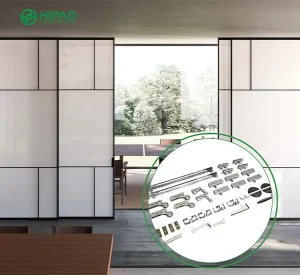
Un guide complet quincaillerie pour portes coulissantes Un ensemble comprend généralement plusieurs pièces. Chaque pièce a une fonction bien précise. Si l'une d'entre elles présente une défaillance, la porte risque de ne plus coulisser correctement.
| Composant | Fonction | Point de contrôle pour l'acheteur |
|---|---|---|
| Rail supérieur / voie | Facilite le mouvement de glissement | Épaisseur du matériau, rectitude, état de surface |
| Rouleaux | Supporter le poids de la porte | Qualité des roulements, capacité de charge, niveau sonore |
| Bouchons | Contrôler les limites d'ouverture et de fermeture | Résistance aux chocs et maintien stable |
| Plan des étages | Permet de maintenir la porte bien alignée | Empêche les secousses et les mouvements latéraux |
| Parenthèses | Branchez le matériel à la panneau ou mur | Résistance à la charge et position des vis |
| Poignées de porte | Améliorer le fonctionnement quotidien | Confort de prise en main, finition et style |
| Ensemble de serrures | Renforce la confidentialité ou la sécurité | Adaptation au cadre et aux besoins de l'utilisateur |
Pour une porte vitrée, les ferrures doivent éviter les contraintes ponctuelles. Pour les portes en bois, l'emplacement des vis et la solidité de la fixation sont essentiels. Pour un système à cadre en aluminium, les ferrures doivent être adaptées à la structure du profilé et à la conception des rails.
En tant qu'usine spécialisée dans la fabrication de quincaillerie pour portes coulissantes, fenêtres, en acier inoxydable et pour salles de bains, rouleaux, poignées, serrures, charnières et autres produits de quincaillerie architecturale, nous accordons une importance particulière à la compatibilité des systèmes. Un rouleau n'est pas simplement un rouleau. Un rail n'est pas simplement un rail. Ils doivent fonctionner ensemble pour former un système complet de quincaillerie de porte.
Commençons par la fonction de la pièce. Une porte de placard doit permettre un accès facile au quotidien. Une porte de salle de bains doit garantir l'intimité et résister à l'humidité. Les cloisons de bureau doivent offrir un fonctionnement silencieux et un aspect épuré. Un projet hôtelier ou dans le secteur de l'accueil nécessite une longue durée de vie et une finition homogène d'un lot à l'autre.
Vérifiez ensuite le poids de la porte, la largeur de l'ouverture et ses dimensions. Un panneau vitré lourd nécessite des roulettes plus résistantes et un rail plus épais. Une porte intérieure légère peut être équipée d'un système coulissant simple, suspendu par le haut. Une large ouverture peut nécessiter deux panneaux de porte ou plus qui coulissent ensemble.
Voici un tableau de sélection simple :
| Type de projet | Le meilleur du matériel informatique | Préoccupations courantes des acheteurs |
|---|---|---|
| Penderie / armoire | Rouleaux silencieux et chenilles compactes | Accès facile et faible niveau sonore |
| Salle de bains / douche | Acier inoxydable et résistance à la corrosion | Humidité et sécurité |
| Cloison de bureau | Des mouvements fluides et une finition moderne | Confidentialité et conception |
| Magasin de détail | Rouleaux robustes et résistance à une utilisation intensive | Trafic quotidien |
| Aménagement intérieur résidentiel | Un style épuré et une installation facile | Coût et esthétique |
| Immeuble commercial | Charge testée et alimentation stable | Entretien à long terme |
Si le projet comporte de nombreuses pièces, ne choisissez pas les ferrures uniquement en fonction de leur prix. Choisissez-les en fonction de leur utilisation globale. Une porte qui s'ouvre 50 fois par jour nécessite de meilleures roulettes qu'une porte qui n'est utilisée que deux fois par jour.
Le choix du matériau des panneaux dépend du design, du budget et de l'utilisation prévue. Le verre apporte lumière et sensation d'espace. Le bois apporte de la chaleur. Les systèmes en aluminium offrent des lignes modernes et un meilleur contrôle structurel.
Un système de baies vitrées coulissantes apporte une touche d'élégance aux bureaux, villas, salles de bains et salles d'exposition. Il convient toutefois de choisir avec soin les ferrures. De nombreux codes de construction considèrent les vitrages des panneaux fixes et mobiles des portes coulissantes et pliantes comme des zones à risque pouvant nécessiter l'utilisation de vitrages de sécurité, en particulier lorsque des personnes sont susceptibles d'entrer en contact avec la surface.
Les portes en bois sont couramment utilisées pour les pièces intérieures, les armoires et les espaces de rangement. Elles apportent une touche chaleureuse et s'adaptent aussi bien à un style « porte de grange » qu'à un style moderne affleurant ou à un système de placard à fermeture amortie. Pour les panneaux en bois plus lourds, la capacité de charge des roulettes doit prévoir une marge de sécurité suffisante.
Les fabricants de portes et fenêtres ont souvent recours à des systèmes de châssis en aluminium, car ceux-ci permettent une production reproductible. Ils s’intègrent également bien aux conceptions architecturales modernes. Pour les fournisseurs de systèmes en aluminium, la question essentielle n’est pas seulement de savoir si le produit est esthétique, mais aussi si ces ferrures sont compatibles avec leurs profilés et leur processus de production.“
Une bonne installation commence avant même de visser la première vis. Il faut vérifier l'état du mur. Le rail doit être de niveau. Il faut mesurer l'ouverture. L'état du plafond est important si le système prévoit une fixation par le haut. Le guide au sol doit être aligné avec le rail, sinon la porte ne glissera pas correctement.
Voici à quoi ressemble une procédure d'installation de base :
En ce qui concerne les projets d'accessibilité, les normes ADA de 2010 stipulent que les ouvertures de portes situées sur les voies d'accès doivent présenter une largeur libre d'au moins 32 pouces. Elles définissent également des exigences relatives aux portes coulissantes manuelles, à l'espace de manœuvre, à l'emplacement des ferrures et à la force nécessaire à l'ouverture.
Un conseil pratique tiré de notre expérience en matière de production et de gestion de projets : ne forcez jamais une porte mal alignée en serrant trop les vis. Commencez par corriger l’alignement. Une porte bien installée doit donner une impression d’équilibre avant même le réglage final.
Un système de rangement est généralement choisi pour les armoires, les chambres, les hôtels, les appartements et les logements compacts. Il est particulièrement efficace lorsque les ferrures sont silencieuses et faciles à régler. Si la porte est trop lourde pour le rouleau, les utilisateurs le remarqueront à chaque fois qu’ils l’ouvriront.
Une porte coulissante escamotable se glisse dans le mur, ce qui en fait une solution idéale pour gagner de la place. On la retrouve souvent dans les salles de bains, les petites chambres, les cuisines, les bureaux et les appartements haut de gamme. Le défi réside dans l'accès pour l'entretien. Comme les ferrures sont dissimulées dans le mur, il est essentiel de miser sur la qualité dès le départ.
Un système de portes de grange est à la fois visible et décoratif. Il est souvent fixé au mur, de sorte que le rail s'intègre au design. Ce style convient particulièrement aux cafés, aux habitations, aux studios et à certains intérieurs commerciaux. Il peut également être décliné en finitions chromées, noires, en acier inoxydable brossé ou sur mesure.
| Type de système | Principal avantage | Meilleur pour | Matériel indispensable |
|---|---|---|---|
| Système de rangement | Permet de gagner de la place | Garde-robe, chambre à coucher | Rouleaux silencieux |
| Système de poche | Look « morceau caché » | Salle de bains, bureau | Conception précise du châssis |
| Système de grange | Style décoratif | Porte décorative d'intérieur | Fixation solide au mur |
| Système coulissant en verre | Lumineux et spacieux | Bureau, douche, salle d'exposition | Pinces et guides de sécurité |
Le choix le plus judicieux dépend de l'utilisation prévue pour le projet. Une porte destinée à une maison particulière n'est pas la même chose qu'une porte installée dans le couloir d'un hôtel. La fréquence d'utilisation au quotidien fait toute la différence.
Ce sont les petits détails qui font le confort au quotidien. Poignées de porte déterminer la manière dont l'utilisateur interagit avec le système. Une serrure garantit la confidentialité et la sécurité. Les butées déterminent si la porte se ferme d'un coup sec ou avec un arrêt contrôlé.
Pour les salles de bains et les systèmes de douche, on privilégie souvent les ferrures en acier inoxydable, car elles résistent à l'humidité. Pour les cloisons de bureau, des poignées fines et des roulettes silencieuses confèrent une allure plus professionnelle. Pour les systèmes de penderies, des poignées dissimulées et un mouvement fluide permettent aux portes de se fondre dans la pièce.
Les acheteurs comparent souvent les grandes marques mondiales de quincaillerie, et des noms tels que Hafele ont sensibilisé le marché à l'importance de l'ajustement, de la finition et de la qualité de fonctionnement. Pour un fournisseur OEM/ODM, cela signifie que chaque détail doit être homogène : position des trous, finition de surface, emballage, jeu de vis et notice de montage.
Un bon ensemble d'accessoires devrait comprendre :
C'est là qu'un partenaire industriel peut apporter une réelle valeur ajoutée. Nous pouvons aider les acheteurs à développer du matériel adapté à leur propre système, à leur marque et à leur fourchette de prix cible.
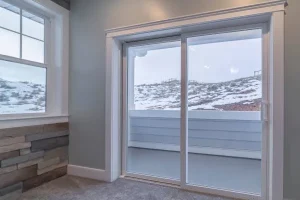
Pour les grossistes, les entrepreneurs, les distributeurs et les acheteurs de projets, l'objectif n'est pas d'acheter un seul échantillon de porte attrayant. L'objectif est d'éviter les problèmes de qualité après l'expédition. Cela signifie que vous devez vérifier à la fois la conception du produit et les processus de fabrication.
Voici une liste de contrôle pratique pour le B2B :
| Vérifier l'élément | Pourquoi c'est important |
|---|---|
| Capacité de charge | Empêche l'endommagement des rouleaux et la déformation des rails |
| Résultat du test cyclique | Témoigne d'une résistance adaptée à un usage quotidien |
| Finition de surface | Influence la résistance à la corrosion et l'aspect |
| Emballage | Réduit les rayures pendant le transport |
| Contrôle des plans OEM | Garantit l'uniformité de chaque lot |
| Compatibilité du système | Facilite la pose de systèmes en aluminium, de douches et de fenêtres |
| Assistance pour les pièces de rechange | Réduit les risques liés au service après-vente |
| Stabilité des délais de livraison | Permet de gérer les calendriers des projets |
Une grande qualité système de portes coulissantes Un produit ne doit pas seulement fonctionner correctement dans un showroom. Il doit continuer à fonctionner correctement après le transport, la manutention et une utilisation réelle. L’accent mis par la norme BHMA sur les essais de cycles, de résistance aux chocs, de durabilité, de souplesse, de frottement et de finition constitue un rappel utile pour les acheteurs sérieux de quincaillerie.
| Situation | Problème | Une meilleure solution |
|---|---|---|
| Un distributeur a acheté des rouleaux à bas prix auprès de plusieurs fournisseurs | Les différents lots présentaient des bruits de roulement différents | Faire appel à un seul fournisseur OEM agréé, sur la base de plans fixes |
| Un entrepreneur a installé des panneaux de verre lourds sur des roulettes légères | Les portes ont commencé à être difficiles à faire coulisser | Adapter la capacité du rouleau au poids du panneau |
| Une marque d'accessoires de salle de bains a changé de fournisseur de finitions | Différence de couleur entre la poignée et le rail | Utiliser un contrôle unifié de la finition et des échantillons homologués |
En résumé, l'achat en gros relève d'un choix stratégique. Le prix est important, mais c'est la stabilité de la qualité qui protège votre marque.
De nombreux fabricants de portes et de fenêtres ont besoin de solutions sur mesure, et non de pièces standard issues d'un catalogue. Le rail peut nécessiter un emplacement de perçage différent. Le rouleau peut devoir présenter une hauteur spécifique. La poignée peut nécessiter une finition de marque. L'emballage peut devoir porter une marque de distributeur. C'est là que la production OEM/ODM prend toute son importance.
En tant que fabricant, nous intervenons dans le développement de quincaillerie pour les systèmes de portes en aluminium, les systèmes de fenêtres coulissantes, les systèmes de douche et les solutions de quincaillerie architecturale modernes. Nous pouvons travailler à partir d’échantillons, de plans, des besoins du marché cible ou des profils des systèmes. L’objectif est simple : adapter la quincaillerie à la gamme de produits réelle de l’acheteur.
Le développement sur mesure peut inclure :
Pour les marques et les distributeurs, les solutions matérielles sur mesure permettent de se démarquer. Vous ne vendez plus le même produit que tous les autres fournisseurs. Vous pouvez proposer un système adapté à votre marché, à votre type de projet et aux besoins de vos clients.
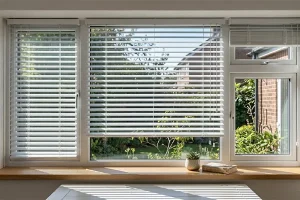
La première erreur consiste à choisir des ferrures sans vérifier le poids de la porte. Un rouleau conçu pour une charge légère peut fonctionner lors des essais, mais finir par céder par la suite. Il faut toujours adapter les ferrures au matériau de la porte, à la hauteur du panneau et à la fréquence d'utilisation quotidienne.
La deuxième erreur réside dans un mauvais alignement du rail. Si le rail n'est pas droit, la porte ne coulissera pas correctement. Les utilisateurs risquent d'attribuer ce problème aux roulettes, mais la cause réelle peut provenir du mur, du cadre ou de la ligne de fixation. Vérifiez l'ouverture avant l'installation.
La troisième erreur consiste à négliger la protection des surfaces. L'acier inoxydable, le chrome et les finitions polies peuvent être rayés par les outils, la poussière ou un emballage trop brut. Lors de l'installation, protégez les surfaces visibles. Ne retirez pas le film de protection trop tôt.
La quatrième erreur consiste à utiliser un adhésif ou un mastic inadapté à proximité du verre et des équipements de salle de bains. Certains produits chimiques peuvent altérer la finition ou endommager les pièces en caoutchouc ou en plastique. Vérifiez toujours la compatibilité des matériaux.
La cinquième erreur consiste à penser que tous les projets nécessitent le même système. Un petit système coulissant pour meuble, une porte de penderie, une porte de douche et une cloison de bureau professionnelle nécessitent des ferrures différentes. Un seul produit ne peut pas répondre à tous les projets.
Par « ferrures pour portes coulissantes », on entend généralement les pièces qui assurent le bon fonctionnement d'un système coulissant, telles que les roulettes, les rails, les guides, les butées, les supports et les accessoires. Quincaillerie de porte est un terme plus général. Il peut désigner les poignées, serrures, des charnières, des ferme-portes et d'autres pièces adaptées à de nombreux types de portes.
Pas toujours. Le mur doit supporter le poids de la porte et du rail. Pour les vitrages lourds ou les grands panneaux en bois, il peut être nécessaire de prévoir des points de fixation renforcés. Un mur trop fragile peut entraîner un affaissement, des bruits ou des problèmes de sécurité.
Tout dépend de la pièce. Une porte coulissante permet de gagner de la place, car elle se déplace latéralement. Les portes battantes sont simples et familières, mais elles nécessitent un espace libre au sol. Pour les pièces étroites, les placards, les salles de bains et les cloisons de séparation, les systèmes coulissants constituent souvent un meilleur choix.
La fluidité du mouvement dépend de la conception adéquate des roulettes, de l'alignement précis des rails, d'un équilibrage correct du poids de la porte et d'une installation soignée. Un bon système doit s'ouvrir et se fermer sans secousses, sans frottements ni arrêts brusques.
Oui. Les ferrures OEM/ODM peuvent être personnalisées en fonction du matériau, de la finition, des dimensions, de l'emplacement des trous, de l'emballage, du logo et de la structure du système. Cela s'avère utile pour les fabricants de portes, les fabricants de fenêtres, les distributeurs et les marques de ferrures de salle de bains.
Renseignez-vous sur la capacité de charge, les essais cycliques, les options de finition, la qualité des matériaux, les délais de livraison, l'emballage, les pièces de rechange et vérifiez si la quincaillerie est adaptée au profil de votre porte. Pour les commandes en gros, demandez également des plans, des échantillons et des informations sur les étapes de contrôle qualité.
Nous répondons sous 24 heures. Pour toute demande urgente, contactez-nous sur WhatsApp/WeChat au +86 137 9191 8989 ou appelez directement ce même numéro.
*Nous respectons la confidentialité de vos données et protégeons toutes les informations transmises.
Nous utiliserons vos informations uniquement pour répondre à votre demande et n'enverrons jamais d'e-mails non sollicités ni de messages promotionnels.