













Company
16 October 2026
 15:47
15:47 Choosing the wrong sliding door for a bathroom can waste space, reduce privacy, and create daily frustration. The problem gets bigger when the bathroom is small, the layout is tight, or the wrong hardware is used. The good news is simple: the right door type can improve flow, comfort, and style.
Yes, a sliding door can be a very good idea for a bathroom, especially when you want to save swing space, improve movement in a tight plan, or create a clean modern look. But it is not always the best answer. The right choice depends on privacy needs, the bathroom layout, the type of shower door, the hardware quality, and whether a hinged door or pocket door would work better.
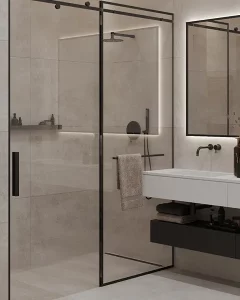
1. Why Do So Many Bathrooms Use a Sliding Door Today?
2. Is a Sliding Door a Good Idea for a Bathroom in a Small Space?
3. Sliding Door vs Hinged Door: Which Door Type Fits Your Space Better?
4. Shower Door vs Hinged Shower Door: What Works Best in Wet Areas?
5. What Are the Real Pros and Cons of a Bathroom Sliding Door?
6. Are Barn Door and Pocket Door Styles Good for a Bathroom?
7. What Materials, Glass Panels, and Hardware Matter Most?
8. Do Sliding Shower Doors Need Safety Glass and Good Hardware?
9. How Do Sliding Doors Affect Accessibility and Daily Use?
10. Which Sliding Door Works Best for Family Bathrooms and Modern Bathroom Design?
11. What Should B2B Buyers Check Before Choosing Bathroom Sliding Systems?
A sliding door is popular because it helps a bathroom work better in limited space. Unlike a hinged door or swing door, it does not need a large arc to open. That makes it useful in a small bathroom, guest washroom, apartment, hotel room, or any plan where every inch matters.
From a design point of view, a bathroom sliding door also creates a cleaner line. It can make a room feel lighter, especially when paired with glass, slim frames, or minimal track systems. In modern homes, designers often use sliding glass doors or a sliding glass shower door to open up the visual area and make small rooms look less crowded.
For B2B buyers, the reason is also practical. A sliding door can solve layout problems without moving walls. In many projects, that means easier planning, better use of space, and a wider range of door options for developers, contractors, and hardware brands.
In many cases, yes. When a bathroom is small, a sliding door is often one of the smartest choices because it saves usable clearance. The door may slide along a wall or disappear into it, which helps protect movement paths near a vanity, toilet, or shower entry.
A pocket door is one of the best examples. It is a kind of sliding door that moves into the wall cavity instead of into the room. That makes it highly useful for compact bathrooms, powder rooms, and en suite layouts where floor circulation is tight. A standard swinging bathroom door can easily block a cabinet, towel rail, or passage path. A sliding door avoids that problem.
Still, space-saving alone should not decide everything. You also need to think about noise, sealing, privacy, and the wall condition. In some renovations, a pocket door is ideal. In others, surface-mounted sliding systems are easier to install and more budget-friendly.
The classic comparison is simple: a hinged door gives a more traditional close and often stronger sealing, while a sliding door saves swing clearance and can feel more modern. So the right type of door depends on how the room is used.
A hinged door works well when the room has enough clearance and the user wants a more familiar operation. In some layouts, hinged doors are often preferred because they feel more private and are easier to seal at the edge. A hinge-based system is also straightforward for many installers.
A sliding door, however, can be the better answer when the layout is tight, the room needs more open movement, or the visual design calls for a cleaner line. That is why bathroom sliding systems are common in hotels, apartments, and newer homes. When buyers ask me which door type usually works best in tight plans, I usually say this: if floor clearance is the problem, a sliding door is usually worth serious consideration.
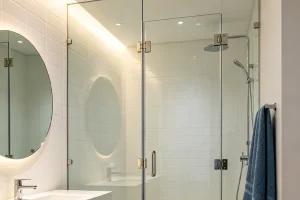
When people ask about a sliding door in a bathroom, they often mean the main room entrance. But many projects are really deciding between a sliding shower door and a hinged shower door inside the shower area. That is a different decision and an important one.
A sliding shower door is useful when the front of the shower is tight and there is no room for a swing door. In these cases, sliding shower doors come in framed or frameless styles and allow the user to enter without needing outward swing space. A sliding glass shower door is especially common in tub-shower combos and compact shower zones.
A hinged shower door, on the other hand, often gives a wider opening and a more open feel. Many premium bathrooms use a hinged shower door because it looks elegant and feels less confined. But the cons of hinged shower doors are clear too: they need space to open, and that can be a problem in smaller layouts. In simple terms, the shower door vs hinged shower door choice usually comes down to opening clearance, visual style, and how the shower enclosure is used every day.
Every sliding door has trade-offs. The biggest advantages are easy to see. It saves space. It helps with circulation. It suits modern bathroom design. It can also make a room feel more open, especially if the panel is glass or the surrounding materials are light.
Here are the main pros and cons:
Pros
Cons
The biggest cons of sliding solutions usually appear when people choose style over function. A barn door may look attractive, but in a family bathroom it may leave side gaps. That is why the real question is not whether sliding doors come in stylish formats. They do. The real question is whether that specific system truly fits your privacy and use requirements.
A barn door is one of the most requested styles in current residential design. It gives a warm and decorative look, and many buyers like the mix of wood, black metal, and exposed hardware. In guest rooms or low-privacy areas, a barn door can be a practical and visually strong choice.
But for a full-use bathroom, a barn door has limits. It does not seal tightly, and that affects privacy, sound, and sometimes odor control. That is why I usually tell buyers that sliding barn doors are best when design is the first goal and strict privacy is not the top issue.
A pocket door is often a more practical bathroom sliding door solution. It hides inside the wall, looks cleaner, and creates better movement flow. It is especially useful when a bathroom renovation is already opening the wall. Between sliding barn doors and a concealed pocket door, the pocket version often feels more integrated in modern interiors.
The materials matter a lot because the bathroom is a humid, high-use space. A glass door used near the shower should have stable rollers, corrosion-resistant metal parts, and smooth-running tracks. The choice of glass and hardware affects not only style, but also noise, cleaning, and service life.
For wet zones, safety is critical. In the United States, federal safety rules specifically cover glazing used in shower doors, bathtub doors and enclosures, doors, and sliding glass doors. The standard is designed to reduce cutting and piercing injuries when the material breaks. That is why shower and bath enclosures typically rely on safety glazing such as tempered or laminated safety glass.
When selecting glass panels, buyers usually compare framed, semi-frameless, and frameless sliding systems. Clear glass creates openness. Frosted glass adds privacy. Framed systems can be more forgiving on cost. A custom glass shower solution often gives the best fit for upscale projects, while standard modules are usually better for volume housing.
Absolutely. A sliding shower door is not just a design item. It is a functional safety product in daily use. Because shower and bathtub enclosures fall under federal safety glazing requirements, using the right glass type is essential. Tempered safety glass is widely used because it is designed to break into smaller fragments rather than dangerous large shards.
Hardware matters just as much. A weak roller, poor stopper, or badly aligned track can turn a beautiful sliding glass shower into a service problem. In B2B supply, I always advise buyers to check roller quality, anti-jump features, handle strength, finish resistance, and smooth operating cycles before approving mass production.
This is where factory experience makes a difference. Good glass and metal combinations look nice on day one. But good engineering keeps the sliding shower working quietly and safely after years of use.
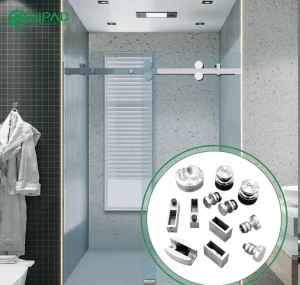
Frameless Shower Door Hardware Systems for Modern Bathroom Projects
When a bathroom serves children, older users, or hospitality guests, hardware usability matters. Door controls in accessible environments should be operable with one hand and should not require tight grasping, pinching, or twisting of the wrist. Lever-style hardware is commonly favored because it is easier to use than round knobs in many accessible situations.
That does not mean every sliding door is automatically more accessible. The handle shape, track resistance, soft-close function, and clear passage width all matter. In some cases, a simple hinged door with an easy lever works better. In others, a well-designed sliding door creates a smoother route because it does not swing into the user’s path.
For hotel and residential projects, the best answer is usually a usability test. Ask how the doors use will happen in real life. Is the bathroom for one user or many? Is the opening narrow? Is privacy the top goal, or is movement the top goal? Those questions lead to better selection than style alone.
In family bathrooms, daily use is constant. That means the hardware must handle repeated movement, moisture, and cleaning. A low-quality track can become noisy. A weak close can become annoying. A poor seal can become a complaint. For these spaces, practical performance matters just as much as appearance.
In terms of bathroom design, many buyers want a look that is modern but not cold. That is why frameless sliding systems, slim aluminum details, and mixed finishes are common. They help make a bathroom feel open while keeping the design clean. If the goal is a softer look, wood textures with concealed metal tracks also work well.
Here is a simple comparison table:
| Option | Best For | Main Benefit | Main Limitation |
|---|---|---|---|
| Sliding door | Tight layouts, modern interiors | Saves space | Can reduce sealing/privacy |
| Pocket door | Renovations, compact plans | Hidden and efficient | Needs wall cavity planning |
| Barn door | Decorative residential use | Strong visual style | Lower privacy |
| Hinged door | Standard layouts | Better close and seal | Needs swing clearance |
| Sliding shower door | Tight wet areas | No swing needed | Track cleaning needed |
| Hinged shower door | Premium showers | Wider entry feel | Needs more front clearance |
If you are choosing for family bathrooms, the best solution is usually the one that balances movement, privacy, and easy maintenance. That is why one door would not fit every project.
For B2B buyers, choosing a sliding door is not just about looks. It is about long-term supply value. Importers, distributors, and project contractors should check system stability, finish consistency, spare-part support, installation details, and customization options before buying.
I normally recommend reviewing these points first:
A project buyer once compared hinged and sliding shower doors for a compact apartment program. The hinged door looked simple, but it reduced the approach space to the vanity. The final choice was a sliding shower door with tempered glass and stainless hardware. The result was better circulation, fewer layout conflicts, and a more premium sales presentation for the developer.
For manufacturers like us, this is where factory-direct support matters. A buyer may want standard systems for cost control, or a custom glass shower package with branded handles and matching hardware for a premium line. The right supplier should support both.
Is a sliding door better than a hinged door for a small bathroom?
Often, yes. A sliding door is usually better for a small bathroom because it does not need swing clearance. It helps use the room more efficiently and can improve circulation.
Is a barn door a good idea for a bathroom?
A barn door can work for some bathroom projects, especially when style matters most. But it usually offers less privacy and weaker sealing than a traditional hinged system or a concealed pocket door.
Are sliding shower doors better than hinged shower doors?
Not always. A sliding shower door is better when space in front of the shower is tight. A hinged shower door is often better when you want a wider opening and a more open feel.
Do shower doors need tempered safety glass?
Yes. Shower and bathtub doors and enclosures are covered by U.S. safety glazing requirements, which are intended to reduce injury risk when the glass breaks.
What is the best bathroom sliding door for modern homes?
For many modern homes, the best bathroom sliding door is a clean, quiet system with quality rollers, durable finish, and a design that matches the room. In tighter layouts, a pocket door is often the most practical choice.
Are sliding doors good for bathroom renovation projects?
Yes. In many renovation projects, a sliding door solves space problems without changing the whole room plan. It is especially helpful in bathrooms or narrow en suites where a swinging leaf would create conflict.
A sliding door is often a very good idea when the bathroom has limited space.
A pocket door usually gives better privacy and integration than a decorative barn door.
A hinged door can still be the better answer when sealing and traditional operation matter most.
A sliding shower door is ideal in tight wet areas where swing clearance is limited.
Shower enclosures should use safety glazing such as tempered safety glass under applicable safety requirements.
Accessible hardware should be operable with one hand and without tight grasping, pinching, or twisting.
For B2B buyers, hardware quality, track stability, finish durability, and OEM/ODM support are just as important as appearance.
We will reply within 24 hours. For urgent requests, contact us on WhatsApp/WeChat at +86 137 9191 8989 or call the same number directly.
*We respect your confidentiality, and all information is protected.
We will only use your information to respond to your inquiry and will never send unsolicited emails or promotional messages.