













Company
16 October 2026
 09:40
09:40 Old weather stripping may look small, but it can create big problems. A tiny gap around a window can let in a draft, raise energy bills, and make a room feel uncomfortable. The good news is simple: choose the right material and replace it on time.
Window weather stripping usually lasts from 1 to 10+ years, depending on the material, climate, window type, and usage. Foam and felt may last only 1–3 years, while vinyl, rubber, V-strips, and metal weatherstripping can last longer. If you feel air leaks, see damage, or notice rising utility bills, it may be time to replace weather stripping.
What Is Weather Stripping and Why Does It Matter?
How Long Does Window Weatherstripping Usually Last?
What Are the Common Types of Weatherstripping?
How Do You Know When to Replace Weather Stripping?
Why Do Foam, Vinyl, and Metal Weatherstripping Last Differently?
Does Installing Weather Stripping Improve Energy Efficiency?
How Often to Replace Weather Stripping on Old Windows?
How to Apply Weatherstripping Correctly Around a Window?
When Is Window Replacement Better Than Weather Stripping Replacement?
How Can B2B Buyers Choose High-Quality Window Hardware and Sealing Solutions?
Weather stripping is a sealing material used around movable parts of windows and doors. Its main job is to block unwanted air, dust, rain, and noise from passing through small openings. The U.S. Department of Energy explains that weatherstripping is used to seal air leaks around movable building parts such as doors and operable windows, while caulk is used for fixed cracks and gaps.
For a door or window, the seal must be tight enough to stop air movement but flexible enough to allow smooth opening and closing. If the material is too thick, the window may not close well. If it is too thin, it may not seal the gap properly.
For homeowners, contractors, and window manufacturers, this small part matters because it affects comfort, home energy performance, and long-term building quality. For B2B buyers, it also affects customer satisfaction, warranty claims, and the perceived quality of the whole window or door system.
The average lifespan of window weatherstripping depends mainly on the material. Low-cost foam tape may last only a short time, especially in areas with sun, moisture, friction, or frequent window use. Felt weather stripping is also economical but may last only one or two years, according to home energy guidance.
More durable materials such as vinyl, rubber, silicone, V-strips, and metal products usually last longer. The Department of Energy notes that vinyl holds up well and resists moisture, while metals such as bronze, copper, stainless steel, and aluminum can last for years.
A simple rule is this: check the seal every year, but expect replacement timing to vary by material and use.
| Weatherstripping Material | Typical Service Life | Best Use |
|---|---|---|
| Foam tape | 1–3 years | Low-cost sealing, low-use windows |
| Felt | 1–2 years | Budget sealing, low-friction areas |
| Vinyl V-strip | 3–8 years | Sliding windows, double-hung windows |
| Tubular rubber or vinyl | Around 5 years or more | Tighter sealing areas |
| Metal weatherstripping | Many years | Durable sealing, older or premium windows |
These are practical ranges, not fixed promises. Climate, installation quality, product design, and daily use all affect the final lifespan.
There are many types of weatherstripping, and each one works better in a different place. Foam tape is common because it is low-cost and easy to install. It often comes with an adhesive backing, so a user can press it around a clean frame. It works well for irregular small cracks, but it may compress over time.
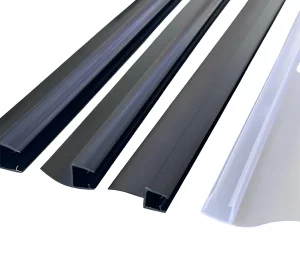
V-strips are another common option. They are usually made from vinyl or metal and form a spring-like seal. This type works well on sliding windows, double-hung windows, and the sides of doors. The Department of Energy lists tension seals, including vinyl or metal V-shaped strips, as durable and effective when installed correctly.
Other common types include tubular rubber, reinforced foam, felt, door sweeps, and interlocking metal systems. For architectural projects, buyers may use more than one type depending on the frame design, sash movement, and sealing target.
You should replace weather stripping when it no longer creates a tight seal. The most common signs include visible damage, loose adhesive, hard or flat material, broken corners, and air movement around the frame.
ENERGY STAR lists signs of air leaks around windows and doors, including drafts, visible gaps, dust or pests entering through gaps, outside odors, and peeling paint around frames. It also suggests a paper test: close the window on a piece of paper; if the paper moves easily, the window may need a tighter seal.
Here are simple signs that weather stripping needs attention:
When these signs appear, it’s time to replace the old material before the problem becomes larger.
Different materials age in different ways. Foam is soft and cheap, but it can lose its shape after repeated compression. If the door or window is closed tightly every day, foam may flatten and stop sealing well. It may also fail faster in wet or very hot areas.
Vinyl is stronger than basic foam and handles moisture better. The Department of Energy notes that vinyl holds up well and resists moisture, making it a better choice for many doors and windows.
Metal weatherstripping usually has better long-term durability. Bronze, copper, stainless steel, and aluminum can serve for many years when properly selected and installed. Metal can be more difficult to install, but it is often a good choice for premium projects, older buildings, or high-use windows where long service life matters.
Yes. Installing weatherstripping can improve energy efficiency by helping reduce air leaks around windows and doors. ENERGY STAR states that sealing air leaks and adding insulation can improve comfort and provide up to 10% savings on annual energy bills. It also mentions simple fixes such as installing weather stripping on doors and caulking around windows.
When air leaks around a frame, the heating and cooling system has to work harder. This can increase energy loss, reduce comfort, and make the HVAC system feel inefficient. A proper seal helps keep conditioned air inside and outdoor air outside.
For building material suppliers, project contractors, and window manufacturers, sealing performance is not only a homeowner issue. It is also a product quality issue. A window system with poor sealing can create complaints, even if the glass and frame look good.
Many buyers ask how often to replace weather stripping on old windows. The best answer is: inspect it once a year and replace it when it fails. Low-cost foam and felt may need more frequent replacement, while vinyl, rubber, and metal options can last longer.
Old windows often have uneven frames, worn sashes, and small cracks. In these cases, one simple strip may not solve every leak. You may need to combine weatherstripping with caulk, frame repair, or trim sealing. ENERGY STAR notes that leaks around windows and doors can cause drafts and energy losses, and that window or door trim sealing can be useful when air leaks exist around the frame.
For old buildings, contractors should check:
Good sealing depends on both the strip and the window structure.
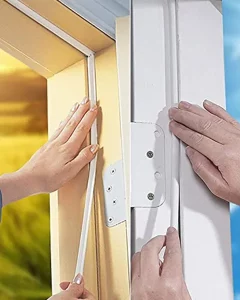
To apply weatherstripping correctly, start with inspection. Find the air leak first. You can use the hand test on a windy day, the paper test, or the smoke test. ENERGY STAR suggests using paper and smoke tests to locate leakage around window seams and sashes.
Next, clean the surface. Remove dust, old adhesive, oil, loose paint, and broken material. If the surface is dirty, the new strip may not bond well. For adhesive-backed tape, the frame should be dry and smooth.
Then measure the gap and choose the right thickness. If the material is too thin, it will not seal. If it is too thick, the window may not close. After installing, open and close the window several times. The movement should feel smooth, and the seal should stay in place.
Basic steps:
This process sounds simple, but quality matters. Poor installation can make even a good material fail early.
Sometimes weather stripping replacement is enough. Sometimes it is not. If the window frame is straight, the hardware works well, and only the seal is worn, replacing the strip is a smart low-cost repair.
But if the frame is badly warped, the sash is loose, the glass system is poor, or water has damaged the structure, window replacement may be the better long-term choice. ENERGY STAR notes that window replacement work can be a good time to address sealing behind window or door trim.
A new window with better hardware, better sealing design, and proper installation can improve comfort and reduce maintenance. However, for many projects, especially hotels, apartments, offices, and residential renovations, replacing the weatherstripping first is often a practical step before replacing the entire window.
For importers, distributors, building material suppliers, door and window manufacturers, system fabricators, and project contractors, the real question is not only “How long does it last?” The better question is: “How can I supply a sealing system that works reliably for my market?”
As a China-based architectural hardware manufacturer, we provide door hardware, window hardware, bathroom hardware, stainless steel hardware, and stainless steel railing systems for global B2B customers. We understand that a small part like a seal, hinge, handle, lock, or roller can affect the full user experience.
When sourcing window weatherstripping or related hardware, check:
| Buyer Concern | What to Check |
|---|---|
| Material quality | Foam, rubber, vinyl, silicone, stainless steel, aluminum |
| Application | Sliding windows, casement windows, doors and windows |
| Climate | Heat, cold, humidity, UV exposure |
| Sealing target | Air leaks, water resistance, dust control, noise reduction |
| Installation | Adhesive, slot-in, screw-fixed, nail-fixed |
| Customization | Size, color, hardness, profile shape |
| Supply stability | OEM/ODM capability, factory-direct production |
| Project support | Samples, drawings, packing, export service |
For standard and customized hardware solutions, B2B buyers should choose a supplier that can support product matching, stable quality, and long-term supply. This is especially important for architectural hardware brands and project buyers who need repeatable quality across many orders.
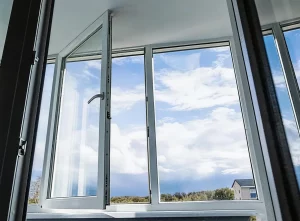
A project contractor may install hundreds of aluminum sliding windows in an apartment building. At first, everything looks fine. But after the first winter, tenants start to complain about drafts, noise, and dust near the window frame.
The problem may not be the whole window. It may be the wrong seal. If the strip is too soft, it compresses early. If it is too narrow, it cannot cover the gap. If the adhesive is weak, the strip peels away. In this case, the buyer may face extra service costs.
Now imagine the same project using better matched weatherstripping, stronger hardware, and tested sealing profiles. The window closes smoothly. The room feels more comfortable. The building owner receives fewer complaints. The supplier earns trust.
How long does foam weather stripping last?
Foam weather stripping often lasts around 1–3 years, depending on use, climate, and product quality. It is easy to install and affordable, but it may compress or peel faster than vinyl, rubber, or metal options.
How do I know if my window weatherstripping needs to be replaced?
Your weatherstripping needs to be replaced if you feel drafts, see visible gaps, notice loose adhesive, find cracked material, or see dust and moisture entering around the frame.
Can weatherstripping stop all air leaks?
Weatherstripping can reduce many air leaks around movable window parts. But it cannot fix every problem. For fixed cracks, trim gaps, or frame damage, you may also need caulk, insulation, repair, or window replacement.
Is metal weatherstripping better than foam?
Metal weatherstripping is usually more durable and longer-lasting than foam. Foam is cheaper and easier to install, but metal is better for long-term use, high-traffic areas, and some older window designs.
Can I use weatherstripping on sliding windows?
Yes. Sliding windows often use V-strips, brush seals, pile seals, or other profile seals. The right choice depends on the track design, sash movement, and gap size.
Should a homeowner install weatherstripping by themselves?
A homeowner can install simple adhesive foam or vinyl strips. But some types, such as interlocking metal or custom profile seals, may require professional installation or support from a window manufacturer.
Window weather stripping usually lasts 1 to 10+ years, depending on material and use.
Foam and felt are low-cost but may need frequent replacement.
Vinyl, rubber, V-strips, and metal weatherstripping usually last longer.
Replace weather stripping when you feel drafts, see gaps, or notice rising energy bills.
Proper installation is just as important as material quality.
Old windows may need more than one sealing method.
Weatherstripping can improve comfort and reduce air leaks.
For B2B buyers, high-quality sealing and hardware solutions help reduce complaints and improve project value.
A reliable architectural hardware manufacturer should support OEM/ODM customization, stable quality, and factory-direct supply.
We will reply within 24 hours. For urgent requests, contact us on WhatsApp/WeChat at +86 137 9191 8989 or call the same number directly.
*We respect your confidentiality, and all information is protected.
We will only use your information to respond to your inquiry and will never send unsolicited emails or promotional messages.