













Bedrijf
16 October 2026
 15:06
15:06 Een slechte keuze van glasklemmen kan een project snel ruïneren. Zwakke grip, verkeerde dikte, slechte corrosiebestendigheid of slechte installatie kunnen leiden tot terugroepacties, veiligheidsproblemen en kostbare vervanging. De slimme oplossing is eenvoudig: kies de juiste roestvrijstalen glasklem voor het juiste glas, de juiste locatie en het juiste ondersteuningssysteem.
A stainless steel glass clamp is a small but critical piece of hardware used to hold glass panels in place on a railing, balustrade, staircase, balcony, pool fence, or wall-mounted system. For most demanding indoor and outdoor projects, 316 stainless steel is the preferred material because it offers strong corrosion resistance, a clean look, and reliable long-term support.
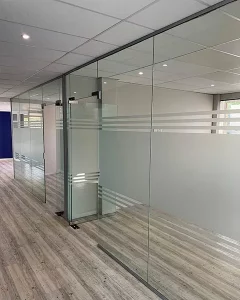
As a China-based architectural hardware manufacturer, we work with global importers, distributors, contractors, door and window manufacturers, and railing system buyers who need factory-direct, OEM/ODM-ready solutions. In our experience, the best glass clamp is not only about shape. It is about material grade, mounting method, gasket quality, finish, and how the clamp fits the full system.
What is a stainless steel glass clamp and how does it work?
Why choose 316 stainless steel glass clamp hardware?
Round or square glass clamp: which design is better?
How do you match the clamp to glass thickness and panel type?
What is the difference between wall, post, and glass-to-glass mounting?
Where are glass clamps used in railing, staircase, balcony, and pool fence systems?
What details matter in gasket, rubber, finish, and installation quality?
How do you choose a glass clamp for flat surface or corner applications?
Why do B2B buyers prefer OEM/ODM stainless steel glass clamp suppliers?
What should you check before ordering premium stainless steel glass clamps?
A glas klem is a metal holder that grips a glass panel and connects it to a wall, a post, another panel, or another structural part. It is often used in a railing or balustrade system where buyers want a cleaner, more open look without a heavy frame. In many projects, the clamp acts as a compact fitting that helps keep the panel aligned and secure.
The basic working method is simple. The clamp body holds the panel, while a rubber or gasket insert helps protect the glass and improve grip. A screw or fastening part then tightens the clamp to the support. This makes the glass clamp an important connection point between safety and appearance.
In modern projects, especially those using frameless glass, the clamp also affects the visual result. A clean stainless steel rounded body or crisp square profile can make the whole installation look more refined. That is why the clamp is both a functional part and a visible design element.
For many B2B buyers, 316 stainless steel is the safest choice when durability matters. This grade is widely used in architectural hardware because it offers stronger corrosion resistance than lower grades in more demanding environments. If the project is near water, exposed to weather, or used in premium residential and commercial applications, steel 316 is often the recommended direction.
A 316 stainless steel glass clamp is especially useful for outdoor railing, coastal balcony projects, and wet-area uses such as pool fencing. Many buyers specify aisi 316 material because they want long service life and a more reliable finish over time. In these conditions, the extra material value often protects the project from early staining or surface problems.
From a factory point of view, material grade should match the project risk. A low-cost clamp may look fine at first, but if the base material is wrong, it can age badly. That is why serious buyers ask for premium stainless steel options instead of treating every clamp as the same product.
The choice between round and square usually depends on the full project style. A round glass clamp often feels softer and more contemporary. It works well with tube posts, curved lines, and modern interiors where a lighter visual effect is preferred. Many buyers also like stainless steel rounded styles because they are easy to match with other circular fittings.
A square clamp, by contrast, feels more architectural and more structured. It often suits sharp-edged posts, minimalist projects, and clean-lined doors and partitions. In many modern railing systems, square clamps help create a more precise and engineered look. That is why they are popular in offices, high-end homes, and commercial interiors.
There is no single best answer. The right choice depends on the design, the post profile, the rest of the hardware, and the buyer’s brand direction. In OEM projects, some customers want both shapes so they can cover different markets with the same core material platform.
Quick Comparison Table
| Type | Best Match | Visual Feel | Common Use |
|---|---|---|---|
| Rond glas klem | Tube post, softer lines | Smooth, modern, lighter | Balcony, staircase, residential railing |
| Vierkant glas klem | Flat post, sharp geometry | Strong, precise, structured | Commercial railing, minimalist interiors |
| Stainless steel rounded stijl | Mixed systems | Sleek and neutral | Premium architectural projects |
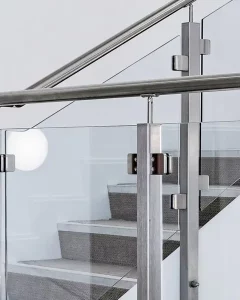
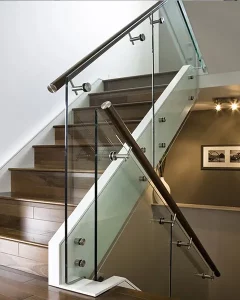
This is one of the most important parts of product selection. Every glass clamp is designed for a certain thickness range, and using the wrong size can affect grip and safety. Buyers should always confirm whether the clamp fits 8 mm, 10 mm, 12mm, or other panel sizes before ordering. The clamp body, insert, and screw pressure all depend on the right size match.
Most architectural projects use tempered glass, and that changes the specification process too. Tempered panels are strong, but they still need proper contact points. The rubber insert or gasket is there to help protect the panel from direct metal pressure. A good insert supports grip while also acting as a protective layer between metal and glass.
It is also important to understand whether the project uses a single panel size or multiple thickness options. In some OEM programs, buyers ask for adjustable designs that can work across more than one range. In others, they want dedicated clamps for one exact panel size to improve fit and reduce risk.
The mounting style changes the type of glass clamp needed. A clamp fixed to a wall usually has a different body and screw layout than one fixed to a post. A glass bracket for wall use may need a cleaner back plate or directional adjustment, especially in shower screens, partitions, or side-mounted railing details.
A clamp fixed to a post is common in staircase, balcony, and fence systems. Here, the clamp works as a connector between the post and the glass. The diameter or shape of the post matters, because a clamp for a round post is different from one designed for a flat support. This is why buyers should always confirm the matching mounting base before production.
Then there is railing glass to glass connection. In this setup, the clamp or special bracket helps join two glass sections, sometimes at a 90° angle or at a straight transition. A bracket for glass balustrade railing in this category must be chosen carefully because alignment, gap spacing, and corner load all matter more here.
A stainless steel glass clamp is used in many architectural areas because it supports a clean, open look. The most common uses are in railing systems for stair, staircase, and balcony protection. In these projects, clamps hold glass panels while keeping sightlines open, which is one reason modern buildings prefer them.
They are also common in pool and garden projects. A glass balustrade railing pool fence system uses clamps to create a safer barrier without blocking the visual openness of the space. This is especially useful in villas, hotels, roof terraces, and landscaped garden areas where designers want safety without heavy framing. In these cases, pool glass hardware must also resist wet conditions.
Other applications include partitions, interior screens, shower enclosures, and special door surrounds. In some markets, buyers even search using terms like inox glass or compare product lines from brands such as indital usa when reviewing clamp shapes and performance levels. That tells us how broad and competitive the market has become.
Common Application Areas
Many clamp problems do not come from the body alone. They come from the smaller details. A strong glass clamp still needs the right gasket, correct rubber hardness, and consistent screw pressure. If the insert is poor, the panel may slip, chip, or fail to sit evenly. That is why these parts should never be treated as minor extras.
The finish also matters. Some buyers want a mirror look. Others prefer brushed or satin effects. The finish affects both appearance and maintenance. A high-quality finish should look clean, resist marks reasonably well, and stay consistent across batches. This is especially important for visible architectural hardware used in premium homes and commercial spaces.
Correct installation is the final step that ties everything together. Even the best clamp can fail if mounted on the wrong base, tightened incorrectly, or matched with the wrong panel. We always recommend confirming panel size, support condition, and load direction before site fitting. Good hardware deserves good installation practice.
A glass clamp for flat surface use is designed to sit correctly against a flat post, wall plate, or structural surface. This type is common in square-post railing systems and many modern partition layouts. The key here is full contact. The body must sit flush so the pressure is even and the glass stays stable.
For corner or angle conditions, the clamp or glass clip may need a different body profile. Some projects use dedicated corner fittings, especially where two glass panels meet cleanly. In higher-end systems, a bracket designed for a 90° glass meeting point gives better alignment and a more professional appearance.
Buyers should also look at whether the project is visually heavy or light. A very thick or highly exposed installation may call for stronger body dimensions, while a lighter indoor screen can use a more compact clamp. The goal is always the same: enough grip and support without ruining the sleek look of the glass.
B2B buyers rarely want only one standard item. They want a reliable product family. That is why OEM/ODM support matters. Importers and project buyers often need multiple clamp versions for wall, post, corner, and flat-surface use, all with the same finish language and quality level. A factory partner makes that easier to manage.
With OEM/ODM production, buyers can adjust size, logo, packaging, insert material, surface finish, and even the clamp body profile. This is especially useful for distributors and architectural brands building a full system around stainless steel clamps, leuningen, posts, and matching fittings. It helps them present a complete catalog instead of disconnected parts.
As a factory-direct manufacturer, we see that customers value consistency as much as price. They want stable production, clear drawings, repeatable material quality, and fast communication. For them, a stainless steel glass clamp is not just a small part. It is part of the project’s reputation.
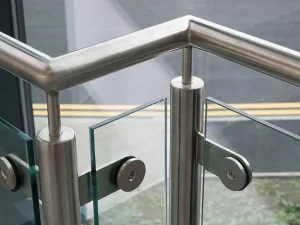
Before placing an order, buyers should confirm a few key points. First, check material grade: is it really 316 or just a lower alternative? Second, confirm the supported thickness range. Third, review the mounting type, because a clamp for a wall is not the same as one for a round post or a flat post.
It is also smart to check insert quality, finish samples, and drawing dimensions. Make sure the clamp body matches the project style, whether that means round, square, or stainless steel rounded design. If the project uses frameless glass, the visible appearance becomes even more important, so details matter more.
Finally, ask about packaging, export readiness, and support for custom development. Premium buyers often want premium stainless steel glass clamps that not only perform well but also arrive in good condition and fit brand requirements. That is where factory experience becomes valuable.
In architectural projects, the best clamp is the one that keeps the glass secure, looks clean, and fits the full system from day one.
What is a stainless steel glass clamp used for?
A stainless steel glass clamp is used to hold glass panels in place in railing, balcony, staircase, pool fence, partition, and similar architectural systems. It connects the panel to a wall, post, or another support point.
Is 316 stainless steel better for outdoor glass clamp use?
Yes. 316 stainless steel is usually the preferred choice for outdoor and wet-area applications because it offers stronger corrosion resistance than lower grades. It is a common option for balconies, pool fencing, and coastal projects.
What glass thickness can a glass clamp hold?
That depends on the model. Different clamps are designed for different thickness ranges such as 8 mm, 10 mm, or 12mm glass. Buyers should always confirm the exact range before ordering.
Should I choose a round or square glass clamp?
Choose round if the project uses softer lines or round posts. Choose square if the design is more structured or uses flat posts. Both can work well if matched correctly to the full railing style.
Why is the rubber gasket important in a glass clamp?
The gasket or rubber insert helps protect the glass from direct metal pressure and improves grip. It is a small part, but it plays a big role in safety and stability.
Can a glass clamp be used for frameless glass railing?
Yes. A glass clamp is often used in frameless glass and low-frame railing designs where a cleaner visual result is wanted. The right clamp helps keep the look open while still giving strong support.
A glass clamp is a small component, but it has a big effect on safety, appearance, and long-term project quality.
316 stainless steel is usually the best choice for demanding indoor and outdoor environments.
The right clamp must match the glass thickness, panel type, and mounting condition.
Round and square clamps both work well when aligned with the project design.
Gasket quality, finish consistency, and correct installation matter as much as the clamp body itself.
Pool fence, balcony, staircase, and partition projects all have different hardware needs.
OEM/ODM support helps B2B buyers build complete, consistent product lines.
The best stainless steel glass clamp is the one that fits the full system, not just the drawing on one page.
Wij antwoorden binnen 24 uur. Neem voor dringende aanvragen contact met ons op via WhatsApp/WeChat op +86 137 9191 8989 of bel rechtstreeks naar hetzelfde nummer.
*Wij behandelen uw gegevens vertrouwelijk en beschermen alle informatie.
Wij gebruiken uw gegevens uitsluitend om op uw aanvraag te reageren en sturen nooit ongevraagde e-mails of promotionele berichten.