













Bedrijf
16 October 2026
 11:56
11:56 Trendy hardware kan er een jaar fris uitzien, maar dan snel gedateerd aanvoelen. Dat zorgt voor dure vervangingen, onaangepaste ruimtes en een zwakke projectwaarde. De veiligere oplossing is kiezen voor een tijdloze afwerking die werkt bij veranderende ontwerpstijlen en er jaren later nog steeds goed uitziet.
The hardware colors that most often never go out of style are brass, bronze, and nickel-based finishes, especially when matched well to the space. A timeless hardware choice is not only about color. It is also about proportion, surface texture, quality, and how the hardware finish fits the room, the door, and the long-term design goal.
As a China-based architectural hardware manufacturer, we work with global importers, distributors, contractors, system fabricators, and project buyers who want hardware that looks good on day one and still performs years later. In our experience, the most successful projects are not driven only by short-term fashion. They are built around durable materials, careful surface treatment, and a finish that supports the whole interior.
What makes a hardware finish feel timeless?
Does brass ever go out of style?
Why is bronze still a strong choice for classic interiors?
Can nickel and satin nickel work in both modern and traditional spaces?
Is matte black timeless or just a trend?
What role do shape and craftsmanship play in timeless hardware?
How should you choose hardware for doors, cabinetry, and interior projects?
Should you combine finishes or keep everything consistent?
Which finish works best for residential and commercial projects?
Why do designers and homeowners keep coming back to classic finishes?
A timeless finish usually does three things well. First, it feels balanced rather than loud. Second, it works with many materials such as wood, stone, painted walls, and glass. Third, it keeps its visual value even when broader hardware trends change. That is what really helps it stand the test of time.
When we help customers with choosing hardware, we do not look at color alone. We also look at texture, sheen level, edge shape, and how the product sits within the full interior design plan. A bright finish can work if it is used with restraint. A softer tone can also feel elevated if the details are precise. In other words, what makes hardware timeless is the full combination of design and execution.
In many projects, the safest route is to choose finishes that do not fight the room. They support the architecture, understate the trend cycle, and still add style. That is why soft brass, aged bronze, and nickel families continue to perform well across both residential and commercial applications.
In our view, brass is one of the most reliable finishes in architectural hardware. It can feel warm, refined, and welcoming. It works especially well in homes, hospitality spaces, and premium apartments where the goal is to create richness without excess. A well-chosen brass finish does not shout. It glows.
There are also different versions of brass, and that matters. Unlacquered brass is popular because it develops a natural patina and becomes more lived-in over time. For some buyers, that evolving look feels more authentic and more personal. A softer satin brass finish offers a cleaner appearance and often fits both modern and classic interiors. Both can be a timeless choice when used carefully.
That is why so many interior designers continue to specify brass. It is warm without being heavy. It can fit a minimalist apartment, a boutique hotel, or traditional homes with equal ease. If the question is whether brass can ever go out of style, the answer is simple: good brass rarely does.
Bronze remains one of the best answers for buyers who want depth, warmth, and a sense of permanence. It feels grounded. It can make a door set look more mature and more architectural, especially when paired with timber, stone, or textured painted finishes. For projects that want character, bronze is often a very safe direction.
A lot of customers ask about oil-rubbed bronze and oil rubbed bronze. This family of finishes is popular because it gives visual weight without becoming flashy. It works especially well in villas, upscale residences, and spaces inspired by heritage design. On a door handle, door knob, or matching lever, it creates a rich and authentic result that many people love for years.
Bronze also performs well because it can bridge classic and transitional design. It looks at home in traditional interiors, but it can also support a more transitional room when the profile is clean. That flexibility is what helps bronze stay relevant while faster trends come and go.
Yes. Nickel is one of the most flexible finish families in the market. It reads as clean, calm, and practical. It is less yellow than brass and less dark than bronze, so it often becomes the safe middle path. In real project work, that is a major advantage.
A brushed nickel or satin nickel surface is especially useful because it softens reflection and hides fingerprints better than a highly reflective surface. A satin nickel finish feels professional and easy to live with, which is why many contractors and project buyers like it for family apartments, offices, and multi-unit developments. It is a finish with strong practicality.
For higher-end projects, polished nickel can be beautiful too. It has more shine and a slightly richer look than some chrome-like surfaces. When paired with good detailing and a balanced room palette, a nickel finish can feel both elegant and truly timeless. That is why nickel continues to appear across so many project types.
Quick Finish Comparison Table
| Afwerking | Visual Feel | Best Match | Why It Feels Timeless |
|---|---|---|---|
| Brass | Warm, refined | Wood, stone, warm palettes | Adds softness and sophistication |
| Bronze | Deep, rich | Traditional and transitional rooms | Strong character and depth |
| Nikkel | Clean, balanced | Modern, mixed-use, neutral interiors | Easy to match and live with |
| Mat zwart | Sharp, graphic | Minimalist and contrast-led spaces | Works best when used with restraint |
Matte black has been one of the strongest finish trends in recent years, but that does not mean it is only a trend. In the right setting, it can feel sharp, modern, and surprisingly stable. The key is how it is used. When the profile is simple and the material quality is strong, matte black can still look clean years later.
That said, black finishes are more sensitive to context than brass or nickel. In some spaces, matte black can make a statement and feel bold. In others, it may feel too strong if the room already has heavy contrast. That is why we usually recommend black finishes for more controlled design schemes where the lines are simple and the rest of the palette is quiet.
For buyers comparing brass and matte black, the decision often comes down to mood. Brass feels warmer. Black feels crisper. Both can work, but black needs a little more discipline. Used well, it can absolutely feel current and lasting. Used everywhere without balance, it may age faster than more classic finishes.
Finish matters, but finish alone is not enough. A timeless piece of hardware also needs the right form. A simple knob, a clean lever, or a balanced escutcheon can often stay relevant longer than a highly decorative product. Good proportion is part of the reason some products feel ageless.
This is where craftsmanship matters. A poor product can make even a beautiful finish look cheap. Uneven edges, weak coating, rough corners, and inconsistent tone all reduce the effect. On the other hand, a well-made handle with precise lines, solid weight, and consistent plating can instantly elevate the room. Good manufacturing helps the finish hold its value visually.
From our factory perspective, timeless hardware is built through control. We look at base material, polishing steps, coating thickness, and color consistency across batches. That attention makes a difference not just in appearance, but in the long-term performance of the product.
When selecting hardware, start with the architectural mood of the project. Ask whether the space is warm or cool, formal or casual, bold or quiet. Then look at the bigger surfaces around the hardware. Floor tone, wall paint, cabinetry finish, and lighting all affect what will look right. The right hardware should feel like part of the room, not a random extra.
For doors and hardware, scale matters. A main entry set may need stronger visual weight, especially on front doors. Interior room sets can be quieter. A cabinet pull may need to echo the look of the main door set without copying it exactly. This is why matching logic matters across cabinet hardware, door levers, trek handvatten, en bathroom accessories.
We usually tell customers to decide on three things first: tone, sheen, and usage level. Tone means warm or cool. Sheen means matte, satin, or more reflective. Usage means residential, hospitality, or public commercial traffic. Those three decisions will narrow the finish choices quickly and help buyers avoid confusion during specification.
A Simple Selection Checklist
This is a common project question. The short answer is yes, you can combine finishes, but there should still be a clear logic behind the mix. Mixed-metal interiors can look very sophisticated when handled well. They can also look messy when there is no hierarchy.
A good way to approach mixed metal finishes is to choose one lead finish and one support finish. For example, nickel can lead while brass appears in lighting. Bronze can lead while black appears in furniture accents. In architectural hardware, however, too many shifts between rooms can create inconsistency, especially in large projects. For many developers and contractors, consistency is the safer route.
That is why we often recommend a controlled mix rather than a random mix. A building can absolutely use two finish families, but the transition needs to feel intentional. The goal is not variety for its own sake. The goal is harmony that still leaves a lasting impact.
There is no single answer for every project, but some patterns are clear. Residential buyers often lean toward warm finishes because they make spaces feel more inviting. Brass, aged bronze, and softer nickel finishes are common here. They work well in kitchens, bathrooms, bedrooms, and living areas where comfort matters.
Commercial projects often look for balance between appearance and maintenance. Nickel-based finishes are popular because they feel neutral and clean. In premium hospitality, bronze and brass are also common because they bring more depth and sophistication. In retail or office spaces with a more modern identity, black finishes may appear in selected areas.
The finish should also respond to how people use the space. Family homes may need a forgiving matte finish that hides marks. Public spaces may prefer surfaces that feel stable across many touchpoints. Premium residences may want a living finish like unlacquered brass because it evolves over time and gains more character with use.
Typical Finish Preferences by Project Type
| Projecttype | Common Finish Direction | Waarom |
|---|---|---|
| Family homes | Satin brass, satin nickel, bronze | Warm, easy to live with |
| Apartments | Nickel, black, mixed neutral finishes | Versatile and market-friendly |
| Hotels | Brass, bronze, polished nickel | Rich visual value |
| Offices | Nickel, matte black | Clean and modern |
| Luxury villas | Unlacquered brass, oil-rubbed bronze | Depth and strong identity |
Because classic finishes solve a real problem. Trends change fast, but renovation costs stay high. No homeowner wants to renovate a whole project again just because the finish feels dated. That is why designers and homeowners return to finishes that feel familiar, elegant, and dependable.
Classic finishes also support more than one style. A soft brass can fit both old-world and modern rooms. A bronze set can support rustic and upscale projects. Nickel can move across many design styles with very little risk. That ability to adapt is what helps these finishes stand the test of time.
When buyers ask us what finish they should choose if they want something they will love for years, our answer stays consistent: pick a finish with depth, balance, and proven versatility. A true classic does not need to chase attention. It quietly performs.
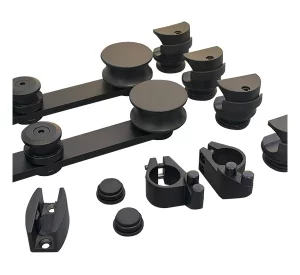
A finish can only feel timeless if the production quality supports it. For global B2B buyers, that means finish consistency, reliable lead times, stable coating processes, and the ability to match products across categories. A beautiful sample is not enough. The batch must also be stable.
As a factory-direct supplier, we see that OEM/ODM development helps customers align finish tone, profile shape, logo details, and packaging with their brand. It also helps project buyers build complete solution lines across Deurbeslag, bathroom accessories, rail fittings, and matching pieces for cabinetry. This is where real value appears.
In other words, a timeless look is not only about color. It is also about repeatability. Buyers want hardware to stand up visually and physically across many orders. That is why supplier control matters just as much as trend awareness.
What hardware finish never goes out of style?
The finishes most often seen as timeless finishes are brass, bronze, and nickel-based options. They work across many interiors and tend to keep their visual appeal longer than highly trend-driven surfaces.
Is brass or nickel more timeless?
Both can be timeless. Brass brings warmth and softness, while nickel offers a cleaner, more neutral appearance. The better choice depends on whether the room needs warm and cool balance, material contrast, and overall tone.
Is matte black still in style?
Yes, matte black is still widely used, especially in modern and minimalist spaces. It can feel lasting when the design is simple, but it usually needs more care in matching than brass or nickel.
Does oil-rubbed bronze look outdated?
No. Oil-rubbed bronze can still feel rich and relevant, especially in classic, transitional, and upscale residential spaces. It works best when paired with the right architectural details and warm materials.
Should all hardware in a house match?
Not always. You can mix finishes, but there should be a clear design logic. Many successful interiors use one main finish and one supporting finish rather than matching every single piece exactly.
What makes hardware look high-end?
Good material, balanced shape, strong coating quality, and precise detailing all matter. A high-end product usually has a refined profile, consistent surface tone, and a finish that suits the room rather than fighting it.
Brass, bronze, and nickel are the finishes most likely to feel timeless.
A finish does not need to be trendy to look beautiful; it needs balance and context.
Matte black can work well, but it is more sensitive to design setting than classic finishes.
Good shape and craftsmanship matter just as much as color.
Residential and commercial projects often need different finish strategies.
Mixed finishes can work, but only when there is a clear hierarchy.
A timeless choice should fit the space, the usage level, and the long-term brand or project goal.
For B2B buyers, finish consistency and factory control are critical to lasting project value.
Wij antwoorden binnen 24 uur. Neem voor dringende aanvragen contact met ons op via WhatsApp/WeChat op +86 137 9191 8989 of bel rechtstreeks naar hetzelfde nummer.
*Wij behandelen uw gegevens vertrouwelijk en beschermen alle informatie.
Wij gebruiken uw gegevens uitsluitend om op uw aanvraag te reageren en sturen nooit ongevraagde e-mails of promotionele berichten.