













Компания
16 October 2026
 10:06
10:06 Allen Wang | CEO and Founder, HIPAD
Updated: August 25, 2026
Choosing a stainless steel handle manufacturer requires more than selecting a polished or brushed shape. B2B buyers need to verify SUS grade, glass or door thickness, length, center distance, mounting structure, finish, branding, packaging and repeat-order controls.
This OEM guide explains how distributors, fabricators, contractors and design-oriented brands can compare stainless steel handle suppliers using drawings, samples, material references and production evidence. It covers glass pull handles, bathroom handles, sliding handles and commercial entry handles.
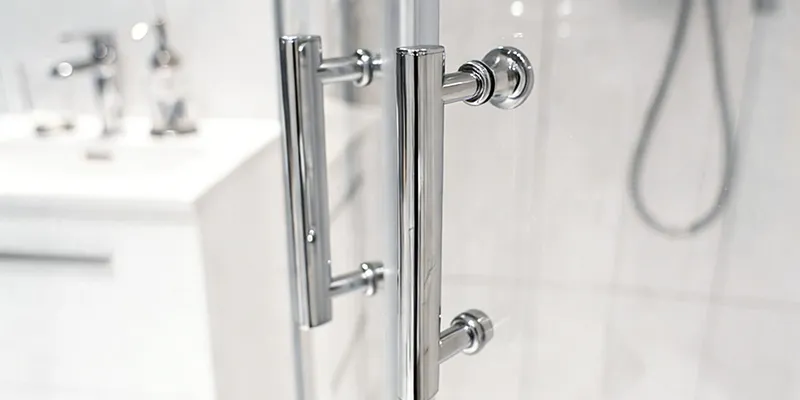
Identify the application first: frameless shower door, bathroom partition, glass entrance, sliding glass door, interior partition, commercial entry or another architectural system. Provide glass or door thickness, panel or leaf dimensions, holes or cutouts, handle function, environment, finish, quantity and target market.
| Buyer input | Details to provide | Risk controlled |
|---|---|---|
| Приложение | Glass door, bathroom, sliding, commercial entry, wooden door or other system | Wrong handle family or mounting arrangement |
| Thickness and preparation | Glass or door thickness, holes, cutouts, edge distance and reinforcement | Installation interference or unsafe preparation |
| Dimensions | Overall length, diameter, center distance, projection and clearance | Ergonomic or adjacent-panel mismatch |
| Material and finish | SUS grade, substrate, process, color, gloss and visible surfaces | Corrosion or appearance variation |
| Commercial scope | Quantity, samples, logo, packaging, spares and delivery phases | Unclear OEM cost and repeat-order risk |
HIPAD’s published handle references include SUS304 and SUS201 glass pull handles for 8-12 mm glass. These references identify a product-family range; they do not prove that every handle model fits every glass panel or environment.
Ask the stainless steel handle manufacturer to identify the grade for the handle body, sleeves, bolts, washers, pins, brackets and concealed parts. Confirm the exposed surfaces, finish process, cleaning conditions and environmental requirements. “Stainless steel” is not a complete material specification without grade and component scope.
For related product families, review HIPAD’s stainless steel handle range, bathroom glass door handles и glass door handle buying guide.
Define more than overall length. Record tube or bar diameter, center-to-center distance, projection, grip length, end shape, bolt, sleeve, washer, gasket, hole diameter, edge distance and clearance from walls, seals and adjacent panels.
HIPAD’s published family reference includes 300-1200 mm length options for SUS304/SUS201 glass pull handles. Other published families include bathroom lever handles for 30-50 mm doors, sliding back-to-back handles for 10-40 mm doors with 200-800 mm length options, and commercial heavy-duty pulls for 35-70 mm doors with 600-1500 mm length options. Confirm the exact model drawing before production.
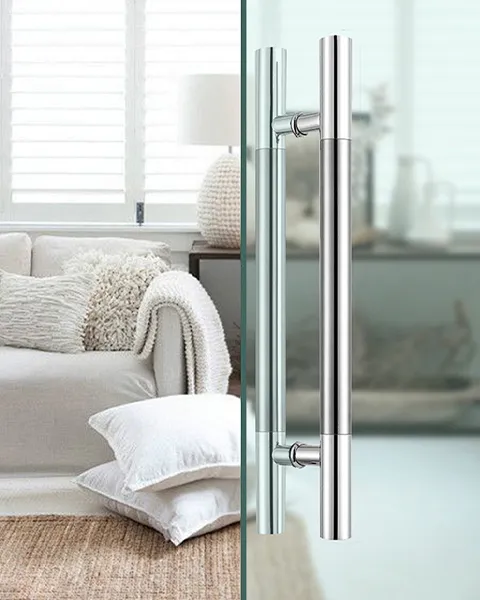
Glass handles may be back-to-back, single-sided, pull-only, clamp-mounted or integrated with a lock or latch. For each arrangement, confirm:
Install a functional sample on representative glass or a representative door before processing or ordering the complete batch. Check alignment, grip, movement, closing, seals and adjacent hardware clearance.
Finish names such as polished, satin, brushed, matte black, gold, chrome or anodized are not complete acceptance criteria. Approve a physical sample and record substrate, process, color reference, gloss, texture, visible surfaces and permitted process marks.
If handles must match hinges, clamps, locks or other bathroom hardware, compare the samples together. Different substrates and finishing processes can produce visible differences under the same color name. Specify protective film, separators, bags and cartons for polished or brushed surfaces.
Private-label programs should define logo position, marking method, artwork revision, barcode, label language, carton design and instruction sheet. Ask whether the logo is laser marked, printed, etched, molded or applied by another process, then approve a physical marked sample.
Packaging may be an individual retail-ready pack, complete shower-door kit or project carton. Specify model, finish, quantity, screws, gaskets, spare parts, carton sequence, moisture protection and barcode requirements.
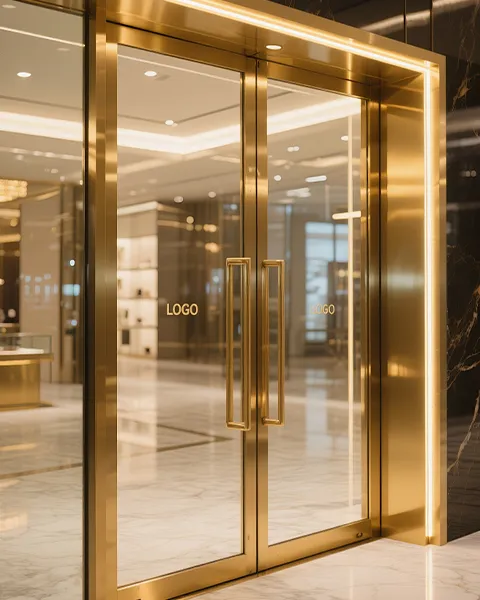
HIPAD states that it supports drawing-based OEM/ODM development, sample confirmation, material and finish matching, branding, packaging and private molds. Feasibility, tooling, MOQ, pricing and lead time require a project quotation.
Inspection should cover model identity, quantity, length, diameter, center distance, material, finish, glass or door interface, mounting hardware, function, marking, accessories and packaging. Record the approved sample and accepted deviations for the next order.
HIPAD states that internal quality checks are used through production and that third-party providers such as SGS and Bureau Veritas may be involved when required. This does not mean every handle carries an SGS, BV or ISO product certificate. Specify exact reports when a project requires them.
ISO 9001:2015 describes quality-management-system requirements; it is not a product certificate. Keep quality-system information separate from model-specific inspection or compliance evidence.
Send the application, glass or door thickness, holes or cutouts, handle length, diameter, center distance, projection, mounting style, SUS grade, finish, quantity, branding, packaging and inspection requirements.
HIPAD’s published family reference includes SUS304 and SUS201 glass pull handles. Confirm the exact model, exposed components, finish and environmental suitability before approval.
The published glass-pull handle reference includes 300-1200 mm length options for 8-12 mm glass. Other handle families have different door-thickness and length references; model drawings remain the approval basis.
HIPAD supports OEM/ODM branding and customized packaging. Provide controlled artwork, marking position, label data, barcode rules and approval requirements.
No universal public price range or MOQ is disclosed. The offer depends on model, material, finish, tooling, packaging, quantity, documents and delivery requirements.
A strong supplier inquiry includes the glass or door drawing, handle dimensions, mounting structure, material and finish reference, logo artwork, packaging, quantities, inspection and delivery phases. This gives the manufacturer enough information to identify fit and production risks before sampling.
Связаться с HIPAD with your handle drawings, existing sample, SUS requirement, finish reference, logo artwork, quantity plan and packaging request for a project-specific review.
Allen Wang is CEO and Founder of HIPAD. He began his career in 1998 as a technical engineer in Qingdao, developing hands-on experience in manufacturing processes, tooling, mechanical components and product quality. His work with international distributors, door and window manufacturers, contractors and design-oriented brands covers product selection, material and finish matching, drawing-based customization, OEM/ODM development, private molds, packaging and system compatibility.
Мы ответим в течение 24 часов. По срочным вопросам свяжитесь с нами через WhatsApp/WeChat по номеру +86 137 9191 8989 или позвоните по этому же номеру.
*Мы соблюдаем конфиденциальность и защищаем всю предоставленную информацию.
Мы используем ваши данные только для ответа на запрос и никогда не отправляем нежелательные электронные письма или рекламные сообщения.