












Компания
16 October 2026
 10:04
10:04 Allen Wang | CEO and Founder, HIPAD
Updated: August 23, 2026
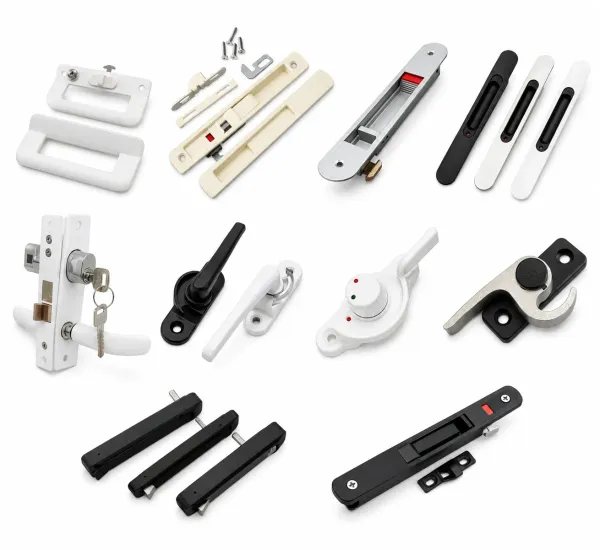
Choosing a window lock manufacturer requires a match between lock function, frame or door geometry, material, key system, finish, installation and repeat-order control. A distributor may need several lock families, while a window manufacturer needs each selected model to fit a known profile and production preparation.
This OEM selection guide compares crescent, sliding-door, mortise, cylinder and multipoint lock options. It explains how to check frame thickness, materials, mounting, samples, customization, packaging and quality evidence before approving a supplier.
Send the supplier the profile or door drawing, material, thickness, opening type, handing, lock preparation, keep location, handle interface, cylinder format, finish, environment, quantity and target market. If replacing an existing lock, include a measured sample and mark the dimensions that must remain interchangeable.
| Buyer input | What the manufacturer should confirm | Risk controlled |
|---|---|---|
| System and profile | Aluminum, UPVC, sliding window, entrance door, frame section and mounting space | Wrong lock case or incompatible installation |
| Функция | Crescent, keyed, latch, mortise, multipoint, privacy, passage or controlled entry | Incorrect security or operating function |
| Interfaces | Backset, faceplate, spindle, cylinder, strike, keep, rods, holes and handing | Lock and handle cannot work as a set |
| Environment | Interior, exterior, wet, coastal, chemical-cleaning and temperature conditions | Material or finish mismatch |
| Order program | Quantity, sample, tooling, logo, packaging, spares and repeat-order reference | Unclear OEM scope and replacement risk |
HIPAD’s published Window Locks with Key range includes several lock families. The published application references below are starting points for selection, not a guarantee that every model fits every profile.
| Lock family | Published application reference | Checks before approval |
|---|---|---|
| Mortise locks | 35-70 mm aluminum doors | Backset, case depth, faceplate, spindle, cylinder, strike and handing |
| Sliding-door locks | 30-60 mm doors | Hook or latch engagement, keep, handle interface, travel and adjustment |
| Crescent locks | Раздвижные окна | Meeting-rail offset, mounting centers, keeper height and direction |
| Multipoint locks | 40-80 mm entrance doors | Gearbox, rods, locking points, handle, cylinder and door preparation |
| Cylinder locks | Brass and steel construction | Cylinder format, length, cam, keying and mating lock case |
Request a model drawing for the selected lock and install it on the representative profile or door. Never turn a family-level thickness range into an unsupported product guarantee.
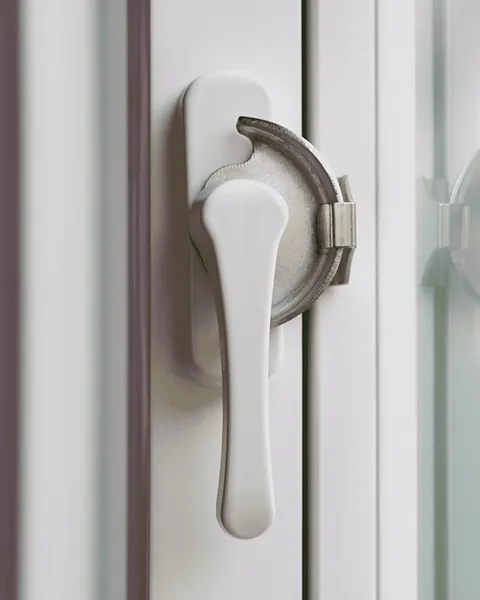
Published lock references include steel and zinc-alloy configurations as well as brass-and-steel cylinder options. Ask which material is used for the case, faceplate, hook, latch, cylinder, spring, pin, strike, keep and fasteners. The headline material of one part does not define the complete assembly.
Specify cylinder length, cam, key system, keyed-alike or keyed-different requirement where applicable, and the replacement plan. For commercial or multi-opening projects, maintain a controlled keying schedule and model reference rather than relying on a product photograph.
Finish names such as satin, polished, matte black, anodized or plated need a physical sample and recorded substrate, process, color, gloss, texture, visible surfaces and packaging protection. Disclose coastal, wet or chemical-cleaning exposure before material and finish approval.
A lock should be approved with its handle, spindle, cylinder, strike, keep, escutcheon and fixing set. Confirm spindle size and projection, mounting centers, backset, lock case, handing, rotation, clearance and door or window thickness.
For sliding windows, compare the lock with the meeting rail, sash profile, keeper and handle clearance. HIPAD also publishes the Ручка замка для алюминиевого раздвижного окна family, which can help buyers identify a related product category before checking the exact model drawing.
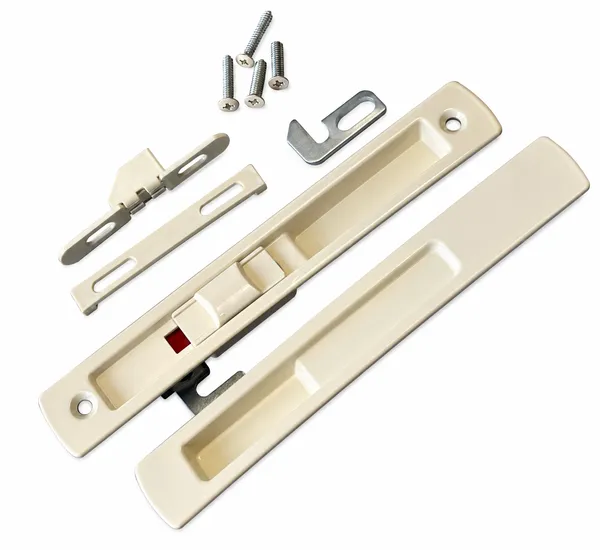
OEM window-lock programs may require dimension changes, new profiles, private molds, material substitutions, finish matching, logos, key systems, labels and custom packaging. Compare how the manufacturer manages each change.
HIPAD states that it supports drawing-based OEM/ODM development, sample confirmation, replacement-fit evaluation, material and finish adjustment, branding, packaging and private molds. Feasibility, tooling, MOQ, pricing and lead time require a project quotation.
Compare suppliers by inspection evidence tied to the actual lock: model identity, dimensions, material, finish, key operation, latch or hook travel, cylinder fit, handle interface, strike engagement, assembly, accessories, marking and packaging.
HIPAD states that it uses in-house quality checks through production and can cooperate with third-party inspection providers such as SGS and Bureau Veritas when required. This does not mean every lock carries an SGS, BV or ISO product certificate. Request exact reports and scope when a project requires them.
ISO 9001:2015 describes quality-management-system requirements; it is not a product certificate. For lock-related educational reference, EN 12209 covers mechanically operated locks, latches and locking plates, but compliance must be verified for the exact supplied model.
Define packaging by the installation or distribution workflow. Record model, lock family, handing, cylinder or key information, finish, quantity, screws, strike, keep, templates, instruction sheet, barcode, carton sequence and spare-part separation.
For repeat orders, retain the approved model, drawing revision, material, finish sample, keying schedule, packaging artwork and original purchase order. Require written notice before changes to material, subcomponent, cylinder, tooling, finish process, factory, packaging or inspection method.
Send the profile or door drawing, existing sample, opening type, thickness, function, handing, backset, spindle, cylinder, keep, material, finish, quantities, packaging, keying and inspection requirements.
The correct type depends on the opening and function. Crescent locks suit sliding windows, while mortise, sliding-door, multipoint and cylinder configurations serve different geometries and operating needs. Approve the exact model on the representative profile.
Published references include mortise locks for 35-70 mm aluminum doors, sliding-door locks for 30-60 mm doors and multipoint locks for 40-80 mm entrance doors, with crescent locks for sliding windows and brass-and-steel cylinder options. Confirm the exact drawing.
HIPAD supports drawing-based OEM/ODM development, sample confirmation, material and finish adjustment, branding, packaging and private molds. Feasibility, tooling, MOQ, pricing and lead time require a quotation.
No universal public price range or MOQ is disclosed. The offer depends on lock family, material, cylinder, finish, tooling, packaging, quantity, documents and delivery requirements.
A strong inquiry gives the supplier a controlled basis for comparing lock families and approving a model. Include profile drawings, lock function, dimensions, handle and cylinder interface, keying, material, finish, branding, packaging, quantities, inspection and delivery phases.
Связаться с HIPAD with your window or door profile, lock sample, keying requirements, finish reference, quantity plan and OEM packaging request for a project-specific review.
Allen Wang is CEO and Founder of HIPAD. He began his career in 1998 as a technical engineer in Qingdao, developing hands-on experience in manufacturing processes, tooling, mechanical components and product quality. His work with international distributors, door and window manufacturers, contractors and design-oriented brands covers product selection, material and finish matching, drawing-based customization, OEM/ODM development, private molds, packaging and system compatibility.
Мы ответим в течение 24 часов. По срочным вопросам свяжитесь с нами через WhatsApp/WeChat по номеру +86 137 9191 8989 или позвоните по этому же номеру.
*Мы соблюдаем конфиденциальность и защищаем всю предоставленную информацию.
Мы используем ваши данные только для ответа на запрос и никогда не отправляем нежелательные электронные письма или рекламные сообщения.